

 Meet Dr. Zody
 Meet Dr. Choi
 Meet Dr. Son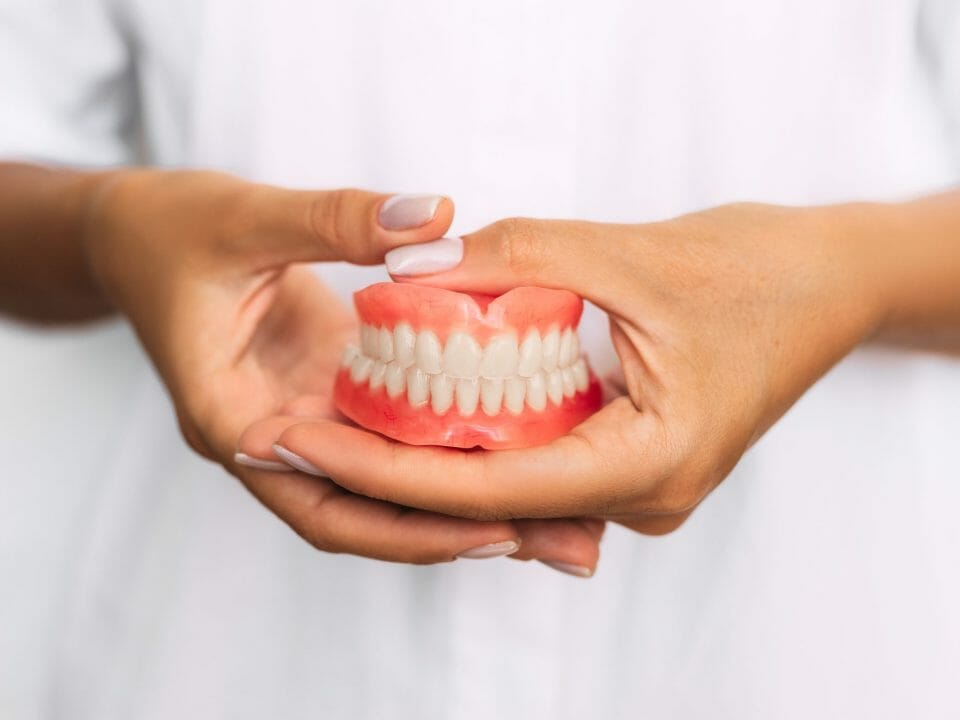





Having a dental emergency? Call us!
614-882-1135
We understand that dental emergencies can happen at any time. If you're in need of urgent care, give us a call, and we'll do everything we can to assist you when it matters most.
Patient Testimonials






Discover Better Dentistry
Become a part of the
Westerville Dental family!
We're accepting new patients. Our dental team prides itself on delivering a truly efficient and enjoyable experience while you’re with us.

If you are getting dentures, it is perfectly normal to have a lot of questions. After all, getting dentures is a big change. Fortunately, our Westerville dentist can answer all your questions about dentures.
Questions You Should Ask Your Dentist Before You Get Dentures
Before your visit to your Westerville dentist to discuss dentures, create a list of questions. You can start with some of the most common questions our dentists answer about dentures.
What can happen if I don’t get dentures?
Missing some or all of your teeth can have a significant effect on your oral health and other aspects of your life. A missing tooth creates a gap, for example, and the remaining teeth can drift into this gap to create crooked teeth. Missing teeth make it hard to eat many foods, including the fresh fruits, vegetables, and whole cuts of meat you need for optimal health.
Your teeth also give your face its unique shape. Missing teeth can change the shape of your face, and usually in ways that make you look older.
What type of denture do I need?
Several types of dentures are available.
- Traditional full denture – replaces all the teeth on either the upper or lower arch; usually placed 8 to 12 weeks after teeth have been removed or extracted
- Partial denture – replaces only a few teeth; a pink-colored base and metal piece hold the denture in your mouth
- Immediate denture – like a traditional full denture, except it is placed immediately after removal or extraction of teeth
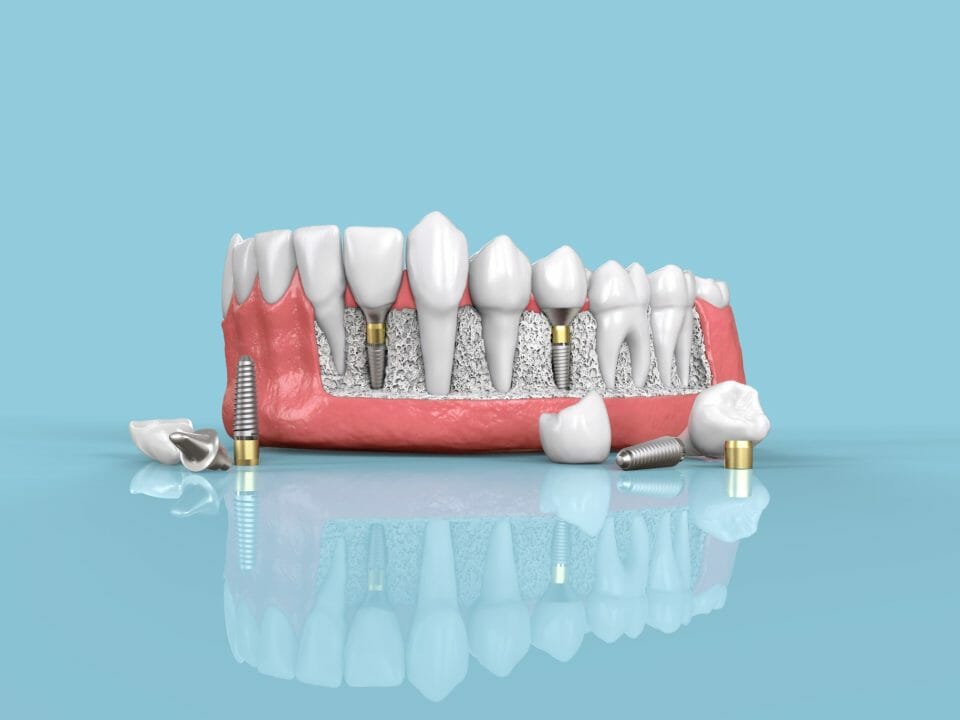
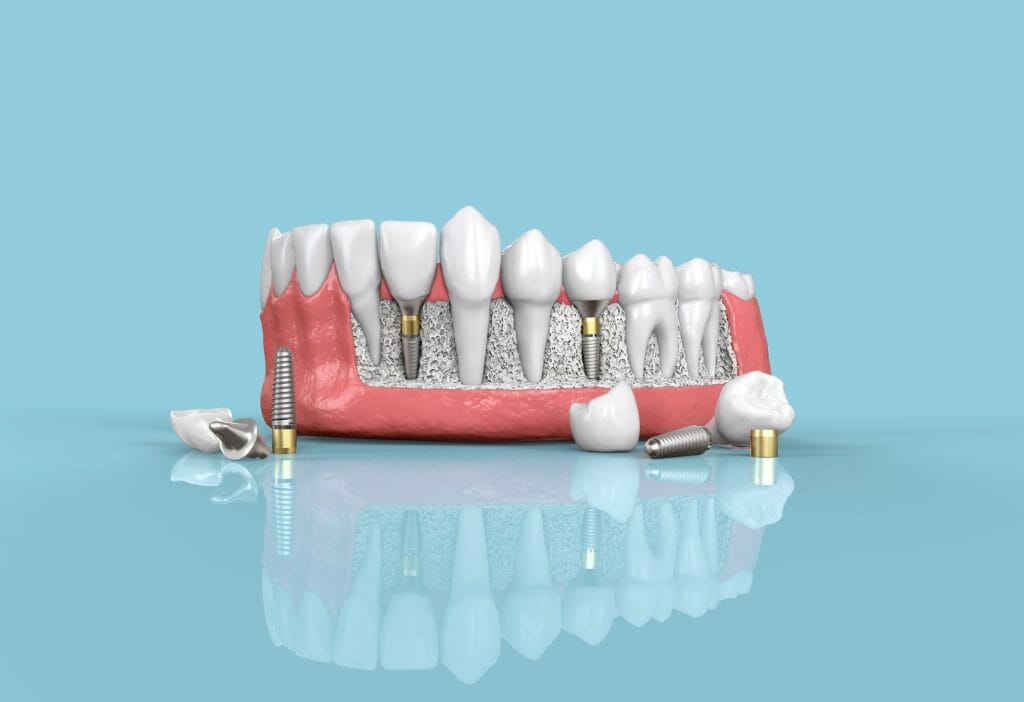
- Implant-supported dentures – dental implants are metal posts implanted into the jaw; the denture is permanently affixed to the implant, so it does not slip like traditional full dentures
- All-on-four – implant-supported dentures in which four implants support the entire arch of upper or lower dentures
The type of denture you choose depends largely on the number of teeth missing, your overall oral health, and your personal preferences. Traditional dentures rest on top of the gums and can slip out of place, for example, but they are less expensive than implant-supported dentures. Implants hold replacement teeth securely, but require several trips to the dentist.
What is the average cost of dentures?
The cost of dentures varies widely depending on a number of factors, including the complexity of your case, the time required to complete your dental treatments, and the location of the dental practice. Your dentist can help you determine how much your dentures will cost.
How do I care for my dentures?
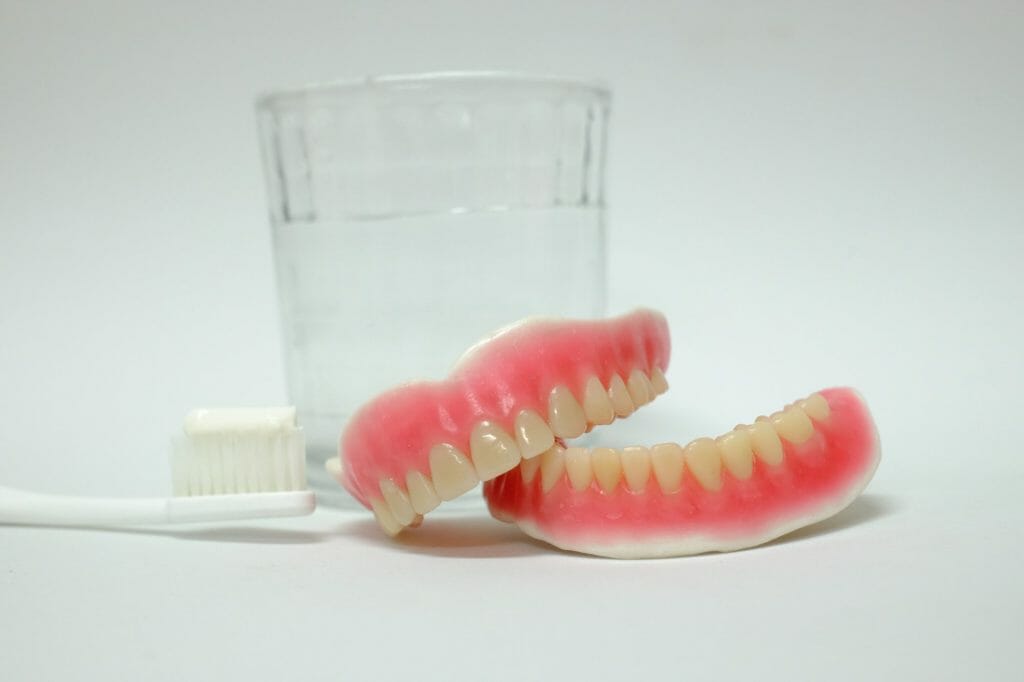
With proper care, your dentures can last for 7 to 10 years or longer. Taking care of your dentures can also help them look and feel their best.
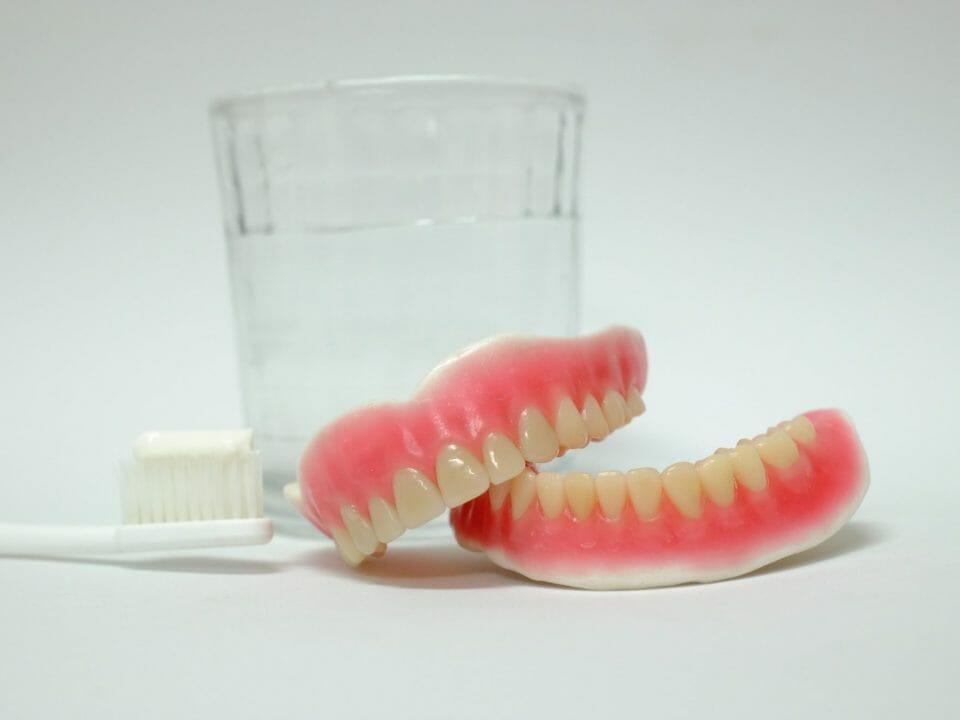
Certain foods and beverages can stain your dentures. Cleaning your dentures every day can help minimize staining. Proper cleaning can also remove plaque and bacteria that lead to tooth decay and gum disease.
Your dentist can recommend special toothpastes and brushes to clean your dentures. Your dental team is also glad to show you the best tooth-brushing techniques. A dentist can also remove any stubborn stains your dentures may develop.
What happens if I break my dentures?
While it may seem easy to repair your own dentures, your dentist will likely recommend that you bring in broken dentures for professional repair. Denture repair must be done correctly to avoid problems with chewing, and to avoid any sore sports. Your dentist can also check the denture after the repair and adjust it as necessary.
If your denture is old and ill-fitting, your dentist may recommend that you get a new denture.
Can I sleep in my dentures?
While you can sleep with your dentures in, your dentist may recommend that you take them out. Removing your dentures gives your gums and jawbone a chance to relax from the pressure of wearing your dentures all day. Your dentist can also recommend products to soak your dentures overnight.
Will I be able to eat normally with my dentures?
While it may take some time to learn how to bite and chew with dentures, you’ll find that you can eat most food fairly without any problems. It may take some time to get comfortable with especially crunchy or sticky foods, though, so you may benefit from applying denture adhesive before eating certain foods.
Your dentist can suggest soft foods that are easy to eat, and can instruct you on how to use dental adhesive.
Are dentures painful?
Minor irritation or discomfort is common after being fitted for new dentures. If you do experience discomfort, it should fade as you become accustomed to your dentures.
The duration of the discomfort varies. Discomfort may linger if you had teeth removed immediately before placement of your denture, for example. Your dentist can recommend ways to reduce discomfort associated with new dentures.
Our dentists at Westerville Dental Associates are always glad to answer your questions about dentures. We offer complete dentures, partials, and implant-supported dentures to fit almost every need. Our dental team will provide you with complete instructions on caring for your new dentures, recommendations on ways to reduce discomfort, and tips for getting the most out of your smile.