
 Meet Dr. Zody
 Meet Dr. Choi
 Meet Dr. Son
Dental Bridge: Restoring Your Smile with Confidence
Missing teeth can affect more than the appearance of your smile. When a missing tooth is left untreated, nearby teeth may begin to shift, chewing may become difficult, and your overall oral health can suffer. Replacing missing teeth helps maintain proper alignment, protects healthy teeth, and supports long-term dental health. At Westerville Dental Associates, Dr. Gretchen R. Zody, Dr. Sue Choi, and Dr. Yuchan Son provide customized tooth replacement solutions for patients in Westerville, OH. One of the most reliable options for restoring a missing tooth is a dental bridge. Dental bridges are designed to fill the gap left by missing teeth using artificial teeth that are securely supported by nearby teeth or dental implants. If you are ready to restore your missing teeth, a dental bridge may help restore both the function and appearance of your smile.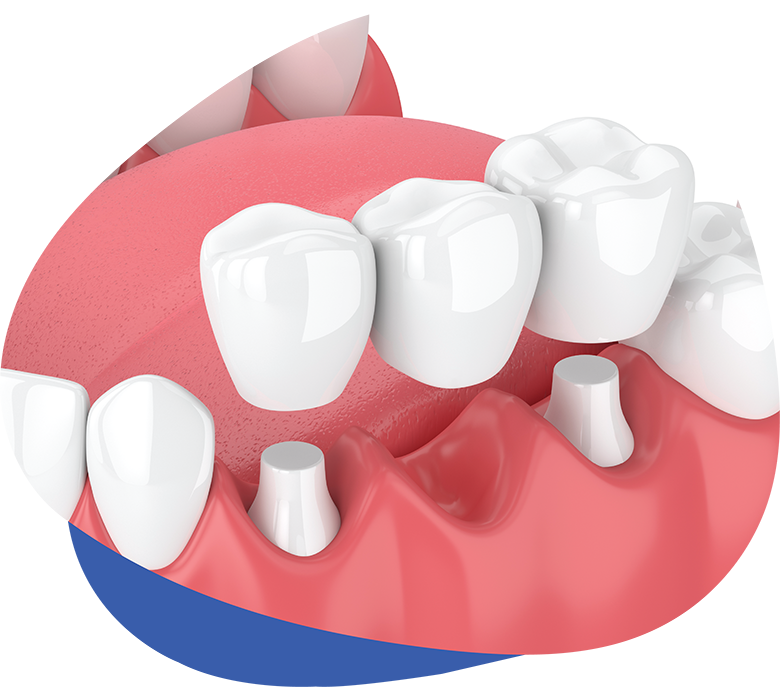
What Is a Dental Bridge and How Does It Work?
A dental bridge is a restorative treatment used to replace one or more missing teeth. As the name suggests, the bridge spans the space created by a missing tooth or several missing teeth.
A dental bridge typically includes:
- Artificial teeth, called pontics, replace the missing teeth
- Dental crowns are placed on adjacent teeth or abutment teeth
- A secure connection that anchors the bridge to the supporting teeth
The crowns placed on the abutment teeth hold the replacement tooth in position, effectively bridging the gap between healthy teeth on each side of the missing tooth.
These artificial teeth are designed to match the shape and color of your natural teeth. Once placed, the permanent bridge restores comfortable chewing while helping maintain proper spacing between nearby teeth.
Dental bridges are a trusted tooth replacement option supported by the American Dental Association and widely used in modern dental care.
Why Replacing Missing Teeth Matters
Tooth loss can lead to several oral health concerns if left untreated. When a missing tooth is not replaced, surrounding teeth may shift into the empty space. This movement can affect your bite and increase the risk of tooth decay or gum disease.
Replacing missing teeth with a dental bridge helps:
- Restore your smile and facial appearance
- Maintain proper alignment of nearby teeth
- Improve chewing and speaking ability
- Support overall dental health
By filling the space with a replacement tooth, a dental bridge helps maintain balance in your bite and prevents unnecessary strain on surrounding teeth.
Who Needs a Dental Bridge?
Many patients with missing teeth are good candidates for dental bridges. During your consultation in Westerville, our dentists will evaluate your oral health and the condition of the surrounding teeth.
You may be a good candidate if you:
- Have one or more missing teeth
- Have healthy teeth on either side of the gap
- Maintain good oral hygiene habits
- Do not have untreated gum disease or severe tooth decay
The supporting teeth, also known as abutment teeth, must be strong enough to support the bridge. These prepared teeth serve as anchors for the artificial teeth.
In some situations, dental implants may be recommended instead of relying on nearby teeth. Our dentists will discuss all treatment options and help you choose the right bridge based on your dental needs.
Types of Dental Bridges
There are several types of bridges used in restorative dentistry. The best option depends on the location of the missing tooth, the condition of the supporting teeth, and a variety of factors related to your bite and oral health.
Traditional Bridge
A traditional bridge is the most common type of dental bridge. This design uses dental crowns placed on the abutment teeth on both sides of the gap. The crowns support one or more artificial teeth in between.
Traditional bridges are commonly used when healthy teeth exist on both sides of the missing tooth.
Maryland Bridge
A Maryland bridge uses metal wings or a framework attached to the back of nearby teeth rather than full dental crowns. These metal wings are bonded to the natural tooth structure on either side of the gap.
This option is often used for replacing front teeth because it preserves more of the natural tooth structure.
Cantilever Bridge
A cantilever bridge is used when only one supporting tooth is available. Instead of being supported on both sides, the bridge attaches to a single abutment tooth.
This type of bridge is less common but may be appropriate in specific situations, particularly near the front of the mouth where chewing pressure is lower.
Implant Bridge
An implant bridge is supported by dental implants instead of natural teeth. This option may be recommended when multiple teeth are missing and there are not enough healthy teeth nearby to support a traditional bridge.
Dental implants provide strong support for artificial teeth and can help maintain bone structure in the jaw.
What Are the Advantages and Disadvantages of a Dental Bridge?
Dental bridges in Westerville offer many advantages for patients dealing with tooth loss.
Advantages
One of the primary benefits of dental bridges is that they restore both function and appearance. Bridges allow patients to chew more comfortably while maintaining the alignment of surrounding teeth.
They also provide a faster tooth replacement option than dental implants, which may require several months of healing.
Additional advantages include:
- Natural-looking artificial teeth
- Improved chewing and speaking ability
- Prevention of shifting teeth
- Reliable restoration supported by nearby teeth
Potential Considerations
While bridges are an effective tooth replacement option, there are some considerations to keep in mind.
Because traditional bridges rely on adjacent teeth for support, those teeth must be reshaped to hold dental crowns. Additionally, the long-term health of the bridge depends on maintaining good oral hygiene and protecting the supporting teeth from decay or periodontal disease.
Our dentists will review your dental health and discuss whether a dental bridge or dental implants may be the best option for your situation.
The Dental Bridge Procedure
The dental bridge procedure typically requires two office visits. Each step ensures the bridge fits properly and restores function comfortably.
First Visit: Preparing the Supporting Teeth
During your first visit, one of our Westerville, OH, dentists will numb the area using a local anesthetic. This ensures your comfort throughout the procedure.
The supporting teeth, also called abutment teeth, are carefully shaped to make room for dental crowns that will hold the bridge in place. These prepared teeth allow the bridge to fit securely.
Impressions are then taken and sent to a dental laboratory where the new bridge will be custom-made. The dental laboratory creates artificial teeth designed to match your natural teeth.
Before leaving the office, a temporary bridge may be placed to protect the prepared teeth while the permanent bridge is being fabricated.
Second Visit: Placing the Permanent Bridge
During your second visit, the temporary bridge is removed, and the permanent bridge is carefully positioned.
Our team will check the fit, bite alignment, and comfort of the bridge before securing it with dental cement. Once placed, the permanent bridge restores your smile and helps maintain proper spacing between nearby teeth.
Patients often find that their new bridge feels comfortable and natural soon after placement.
Dental Bridge Aftercare: Protecting Your Investment
Proper care is essential for maintaining your new bridge and protecting the surrounding teeth.
Brushing and flossing daily helps prevent plaque buildup around the bridge and reduces the risk of gum disease or tooth decay affecting the supporting teeth.
Good oral hygiene habits include:
- Brushing twice daily with fluoride toothpaste
- Cleaning under the bridge with floss or special floss threaders
- Scheduling regular dental visits for professional cleanings
- Following all recommendations from your dental team
With proper care, many dental bridges can last for many years while supporting your dental health.
Restore Your Smile With a Dental Bridge in Westerville
If you are dealing with missing teeth, a dental bridge may provide the stability and function needed to restore your smile. At Westerville Dental Associates, Dr. Gretchen R. Zody, Dr. Sue Choi, and Dr. Yuchan Son help patients explore personalized tooth replacement solutions.
Our dentists will evaluate the condition of your teeth, review the types of bridges available, and recommend the right bridge for your dental needs.
Replacing missing teeth can improve your comfort, restore your smile, and support long-term oral health. Call us at 614-665-5497 to schedule an appointment and learn more about dental bridges.
Frequently Asked Questions
How many teeth can a dental bridge replace?
Dental bridges are commonly used to replace one to three missing teeth in a row. In some cases, they can replace more, but longer bridges may require additional support to maintain strength and stability.
Will a dental bridge affect my natural teeth?
A traditional bridge relies on the teeth next to the gap for support. These teeth are typically reshaped to hold crowns, which means they play an important role in supporting the bridge long-term. Your dentist will ensure these teeth are healthy enough before moving forward.
Will food get stuck under my dental bridge?
It’s possible for food particles to collect around or under a bridge if it’s not cleaned properly. Using floss threaders, water flossers, and maintaining good oral hygiene can help keep the area clean and comfortable.
Can I eat normally with a dental bridge?
Yes, once your bridge is placed and your mouth has adjusted, you can return to a normal diet. However, it’s best to be mindful of very hard or sticky foods, as they can place extra stress on the bridge and supporting teeth.