

 Meet Dr. Zody
 Meet Dr. Choi
 Meet Dr. Son
Enhance Your Smile with Periodontal Therapy
Healthy gums play a significant role in maintaining strong teeth and long-term oral health. When gum disease develops, it can gradually damage the gum tissue, bone, and supporting structures around the teeth. Without treatment, periodontal disease can lead to bone loss, loose teeth, and even tooth loss. At Westerville Dental Associates, Dr. Gretchen R. Zody, Dr. Sue Choi, and Dr. Yuchan Son offer comprehensive periodontal therapy to treat gum disease, restore gum health, and protect your overall oral health. Our team in Westerville, OH, provides personalized periodontal care based on the stage of gum disease, helping patients regain healthy gums and reduce the risk of further damage. Early diagnosis and periodontal treatment are essential. With proper care, many patients can successfully control gum disease and preserve the health of their teeth and gums.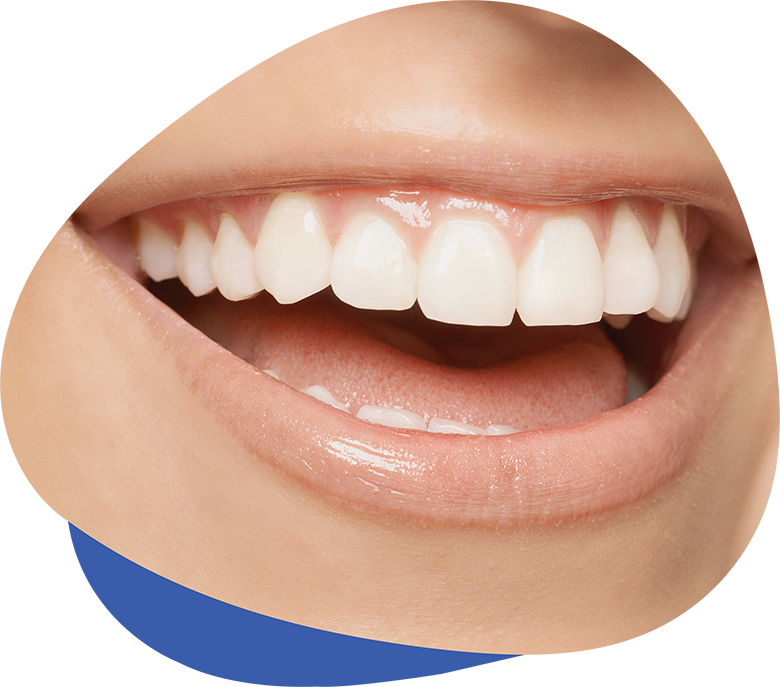
What Is Periodontal Therapy?
Periodontal therapy refers to a range of dental services designed to treat gum disease and restore the health of your gums. These treatments focus on removing harmful bacteria, eliminating infection, and supporting the reattachment of the gums to the teeth.
Periodontal disease begins when plaque buildup along the gum line triggers gum inflammation. In the early stages, the condition is known as gingivitis and may cause redness, swelling, and bleeding gums.
If left untreated, the infection can progress to advanced gum disease, also called severe periodontitis. At this stage, the infection damages the connective tissue and bone that support the teeth, increasing the risk of bone loss and tooth loss.
The importance of periodontal therapy lies in stopping this progression. Through professional treatment and proper care, Dr. Gretchen R. Zody, Dr. Sue Choi, and Dr. Yuchan Son can control infection, improve gum health, and protect long-term oral health.
Signs You May Need Periodontal Therapy
Many patients are unaware they have gum disease because symptoms can be mild in the early stages. However, recognizing warning signs early allows for more effective gum disease treatment.
Common symptoms that may indicate the need for periodontal treatment include:
- Gum inflammation, redness, or swelling
- Bleeding gums when brushing or flossing
- Persistent bad breath or unpleasant taste
- Gum recession or teeth appearing longer
- Loose teeth or shifting teeth
- Increased tooth sensitivity
- Formation of gum pockets between the teeth and gums
These symptoms are often caused by harmful bacteria accumulating beneath the gum line due to poor oral hygiene or missed regular dental visits.
Seeking periodontal therapy in Westerville as soon as these symptoms appear can prevent advanced stages of the disease and help preserve healthy gums.
How Periodontal Disease Affects Overall Health
The effects of untreated gum disease go beyond the mouth. Research shows that chronic inflammation from periodontal disease may contribute to several health issues throughout the body.
Studies have linked severe gum disease to conditions such as:
- Heart disease
- Complications related to diabetes
- Increased risk of infections
- Strain on the immune system
Because the gums contain many blood vessels, harmful bacteria from infected gum tissue can enter the bloodstream and affect overall health.
This connection highlights the importance of maintaining good oral health through proper oral hygiene, professional dental care, and early disease control.
Non-Surgical Periodontal Treatments
For patients in the early stages or moderate stages of periodontal disease, dentists often begin with non-surgical periodontal therapy. These treatments focus on removing infection and restoring gum health without surgery.
Scaling and Root Planing (Deep Cleaning)
The most common form of non-surgical periodontal treatment is deep cleaning, also known as scaling and root planing.
During this procedure:
- Scaling removes plaque and bacteria from above and below the gum line.
- Root planing smooths the tooth roots to help the gum tissue reattach to the teeth.
This treatment reduces gum pockets, removes harmful bacteria, and supports the reattachment of the gums.
To keep our Westerville patients comfortable, the procedure is often performed using local anesthesia.
Antibacterial Treatments
In some cases, our dentists may recommend additional therapies such as:
- Prescription mouth rinses
- Antibiotic medications
- Antibacterial agents are placed in gum pockets
These treatments help reduce infection and improve disease control as the gums heal.
How Effective Is Periodontal Therapy?
When performed early, periodontal therapy can be very effective at controlling infection and preserving natural teeth. By removing harmful bacteria and repairing damaged tissue, treatment helps stabilize the gums and prevent further damage.
Many patients experience:
- Reduced gum inflammation
- Healthier gum tissue
- Decreased gum pockets
- Improved overall oral health
- Lower risk of tooth loss
In more advanced cases, treatment may not completely reverse damage, but it can slow disease progression and improve quality of life.
Maintaining results depends heavily on home care, regular dental visits, and continued periodontal care.
At-Home Care After Periodontal Therapy
Proper home care plays an essential role in maintaining results after periodontal therapy. Even the most effective treatment requires ongoing care to keep bacteria under control.
After treatment, Dr. Gretchen R. Zody, Dr. Sue Choi, and Dr. Yuchan Son may recommend:
- Brushing twice daily using proper technique
- Daily flossing to remove plaque between teeth
- Using antibacterial mouth rinses
- Scheduling frequent regular dental visits for monitoring
- Maintaining proper oral hygiene to prevent plaque buildup
Good oral hygiene supports the healing of gum tissue, protects connective tissue, and reduces the risk of infection returning.
Patients who maintain consistent care often experience long-term improvements in gum health and overall health.
Risk Factors for Gum Disease
Several factors can increase the likelihood of developing periodontal disease. Understanding these risk factors can help patients take steps to protect their oral health and maintain healthy gums over time.
Common contributors include:
- Poor oral hygiene
- Tobacco use
- Genetic predisposition
- Certain medications
- Chronic health issues
- Stress or a weakened immune system
Additional factors such as hormonal changes, diet, and inconsistent regular dental visits may also increase the risk of gum inflammation and infection. When these conditions allow plaque buildup and harmful bacteria to accumulate along the gum line, the chances of developing gum disease rise significantly.
Scheduling regular dental checkups in our Westerville dental office enables early detection and timely gum disease treatment, which are among the most effective ways to prevent advanced gum disease and protect long-term gum health.
The Importance of Early Detection and Treatment
The importance of periodontal therapy cannot be overstated. When gum disease treatment begins early, it is often possible to reverse inflammation and restore healthy gums.
Without treatment, however, untreated gum disease can progress quickly, leading to bone loss, damaged connective tissue, and eventual tooth loss. As the infection spreads beneath the gum line, it may also increase the risk of other health issues and negatively impact overall health.
Routine exams, early detection, and prompt periodontal care allow dental professionals to identify plaque buildup, gum inflammation, and other warning signs before they reach the advanced stages of the disease. Regular checkups combined with proper at-home oral hygiene help protect gum health, reduce the risk of infection, and maintain a strong foundation for long-term oral health.
Protect Your Gum Health and Smile
If you are experiencing symptoms of gum disease, such as persistent bad breath, gum recession, or tooth sensitivity, the team at Westerville Dental Associates is here to help.
Our experienced dental professionals provide personalized periodontal therapy designed to restore gum health, protect your teeth, and support your overall oral health.
Through advanced periodontal treatment, early disease control, and ongoing proper care, we help patients maintain healthy gums and a confident smile.
Contact our dental office serving Westerville, OH, today to schedule a consultation and learn more about how periodontal therapy can improve your oral health and quality of life.
Frequently Asked Questions
Will my gums look different after periodontal therapy?
Yes, some patients notice that their gums look slightly different after treatment. As inflammation subsides and swollen tissue heals, the gums may appear tighter or slightly lower around the teeth than before treatment.
How often will I need periodontal maintenance visits after treatment?
Once initial therapy is complete, many patients transition into a more frequent maintenance schedule than standard cleanings. These visits are designed to closely monitor gum health and help prevent further progression over time.
Can periodontal therapy improve how my teeth feel when I bite down?
In some cases, yes. When inflammation around the supporting structures decreases, patients may notice that their bite feels more stable and comfortable. This improvement often develops gradually as healing continues.
What role does home care play after periodontal therapy?
Daily brushing and flossing become even more important after treatment. Consistent home care helps maintain the results of therapy and supports healthier gum attachment over time. Professional care works best when paired with strong daily habits.
Can periodontal therapy help reduce sensitivity in my teeth?
It can in some situations. As gum health improves and inflammation decreases, exposed areas of the tooth root may become less reactive over time. However, sensitivity can vary depending on the extent of gum changes.