
 Meet Dr. Zody
 Meet Dr. Choi
 Meet Dr. Son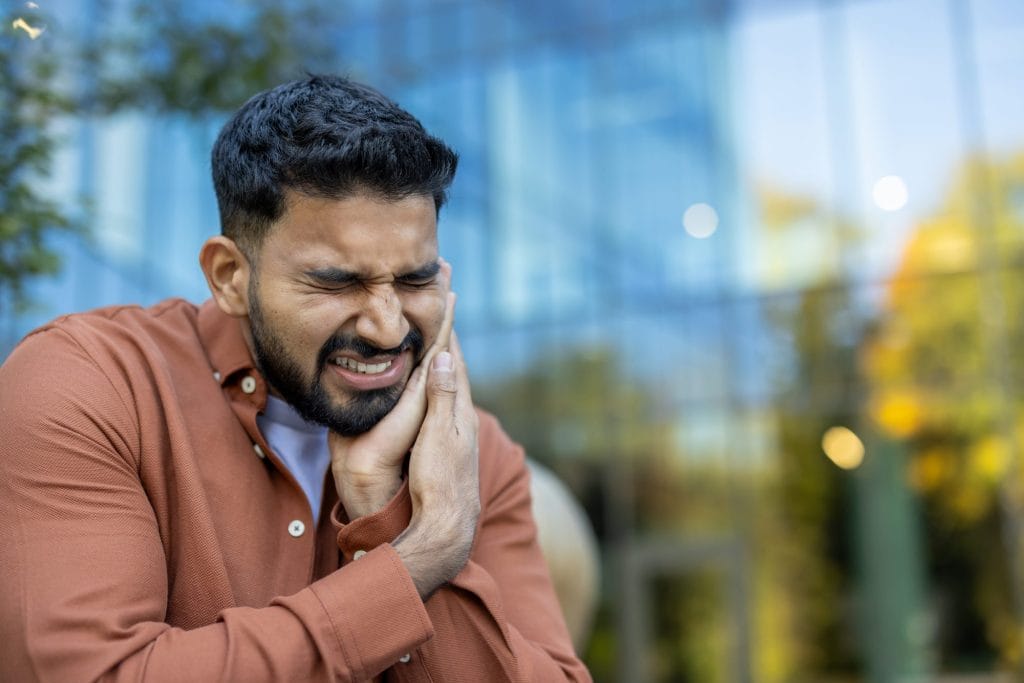
Vacation should start with excitement, not throbbing tooth pain on the way to the airport. If you notice a dental problem before vacation, you have a chance to protect your comfort and schedule. Addressing the issue early allows your dentist to determine whether it’s a minor bite adjustment, untreated decay, or one of the common dental emergencies that could worsen while you’re away.
At Westerville Dental Associates, your comfort and dental health are our priorities. If you’re leaving Westerville for vacation and something feels off with your tooth, we can help identify whether it’s a minor irritation, a bite issue, a failing restoration, or a problem that needs treatment before you travel. This clarity brings peace of mind, especially when your plans include flights, family events, or long days on your feet.
Why dental problems can worsen during travel
Travel often disrupts routines, leading to late nights, dietary changes, and inconsistent oral hygiene. You might skip dental floss, rely on floss picks, or fall asleep without cleaning out food debris. Add sugary snacks, coffee, or alcohol, and your risk of cavities and gum irritation increases.
Travel can also cause dry mouth due to airplanes, road trips, or medications that reduce saliva. Saliva protects your teeth, so when your mouth feels dry, enamel becomes more sensitive, and existing dental issues can worsen. Drinking plenty of water and using fluoride toothpaste can help, but they won’t fix a crack, infection, or failing filling.
Symptoms to take seriously before you leave
Some dental problems can wait, but certain signs deserve quick attention. Calling your regular dentist before you travel can save you from searching for unfamiliar dental clinics later.
Watch for:
- Lingering tooth sensitivity to hot or cold
- Dental pain when biting, especially on one tooth
- A filling that feels “too high” or rough
- A loose or damaged crown, or one that catches dental floss
- Swelling, a pimple-like bump on the gum, or a bad taste suggesting infection
- A broken tooth or sharp edge irritating your tongue or cheek
- Bad breath that persists despite good hygiene, which may indicate gum inflammation or decay
These symptoms don’t always mean an emergency, but they’re worth evaluating to determine your next steps.
Is tooth pain a dental emergency?
Tooth pain varies from mild aches to severe pain. Treat any sudden change as a reason to call your dentist, especially before a trip. Dental emergencies include issues requiring immediate attention to control pain, stop bleeding, treat swelling, or protect a tooth from further damage.
If you experience severe, persistent pain, swelling, fever, or pain that wakes you at night, contact an emergency dentist. For trouble breathing, swallowing, uncontrolled bleeding, or major facial trauma, go to the emergency room first. Once stable, a dental office can address the tooth-related cause.
What a quick dental checkup can find before vacation
A quick dental checkup provides answers. When you visit with a dental problem before vacation, we focus on identifying the cause and discussing practical dental care options that fit your timeline. Sometimes the solution is simple, like smoothing a rough edge or adjusting your bite.
Other times, symptoms point to structural issues needing restorative care. A small crack can deepen, and a loose restoration can let bacteria in. Professional evaluation ensures you know what can wait and what needs attention before you leave.
Common causes of tooth pain before travel
Tooth pain often has a clear cause, even if it feels sudden. Here are common issues we see before trips:
A filling that needs repair or adjustment
A high filling can cause pain when biting and even jaw soreness. Composite resin fillings bond directly to your tooth and can be shaped for a comfortable bite. If you feel pressure in one spot when chewing, an adjustment or repair may help.
A cracked or broken tooth
A broken tooth can be sensitive to temperature and pressure, and sharp edges can cut your cheek or tongue. Early evaluation prevents a bigger fracture mid-trip.
A failing crown or old restoration
A loose crown can trap bacteria and irritate gums. It may also come off at an inconvenient time, like during a meal or in your hotel room. Checking it before travel reduces this risk.
Decay reaching the nerve
When decay deepens, pain can shift from occasional sensitivity to persistent aching or throbbing. A root canal may be needed to relieve pain and protect the tooth, followed by a crown for strength.
Swelling or dental abscess
A dental abscess is an infection causing swelling and tenderness. Infections can spread, so this requires prompt professional attention.
How Westerville Dental Associates treats pre-travel dental problems
Your treatment depends on the pain’s source and the tooth’s condition. Our focus is on gentle, thorough professional care and clear explanations so you feel informed.
Tooth-colored fillings for cavities and small fractures
If decay or a small chip is causing trouble, a tooth-colored composite filling can often be completed in one visit. Composite material adheres directly to the tooth, preserving structure and supporting a comfortable bite.
Dental crowns for weak or damaged teeth
A crown protects a tooth with significant damage, large fillings, or vulnerability after a root canal. Addressing it before travel prevents a painful break away from home.
Root canal therapy for inflamed or infected nerves
Root canal treatment removes infected tissue inside the tooth, relieving pain and preserving the tooth. If symptoms suggest nerve involvement, we’ll guide you through the best timing for care.
Emergency dentistry for urgent issues
For swelling, severe pain, a lost filling, or a damaged crown, emergency dentistry stabilizes the problem and restores comfort. If unsure whether your situation is an emergency, call us to discuss your symptoms.
Temporary measures if you can’t see a dentist right away
If you have a dental problem before vacation and can’t get an appointment immediately, these steps may help manage discomfort temporarily:
- Use over-the-counter pain relievers as directed.
- Rinse with warm salt water to soothe irritation.
- Apply a cold compress for swelling or throbbing.
- Avoid chewing on the painful side and skip hard or sticky foods.
- Maintain your oral hygiene routine, including brushing, dental floss, and fluoride toothpaste.
If you suspect infection, don’t delay care. Infections can worsen quickly, especially with travel stress, dehydration, and poor sleep.
What to pack for prevention and peace of mind
Packing a simple dental kit can help you maintain good habits while traveling and prevent small issues from escalating.
Include:
- A toothbrush and travel-size fluoride toothpaste
- Dental floss or floss picks
- Sugar-free gum for dry mouth
- A small bottle for rinsing after meals
- A basic dental emergency kit with gauze and a cold pack
These items can help protect your oral health when your routine changes.
What to do if you need help while traveling
If pain worsens while you’re away, stay calm and find the right provider. For urgent issues, contact local dental clinics for emergency dental care. For severe swelling, fever, or trouble swallowing, visit the emergency room first.
Before leaving town, save your dental office’s contact information. This way, you can call for guidance if a crown comes loose, a filling breaks, or pain worsens.
When in doubt, we’re here to help
The last thing you want is to spend vacation time searching for an emergency dentist in an unfamiliar place. If you notice a dental problem before vacation, contact Westerville Dental Associates. Our experienced team will guide you through every step of your care, from minor issues to urgent evaluations involving fillings, crowns, restorative dentistry, and root canal therapy.
If you’re unsure what your tooth is telling you, we’re happy to answer your questions and help you decide what to do before you travel. Contact our office to discuss your symptoms and find the most comfortable, practical plan for your trip.