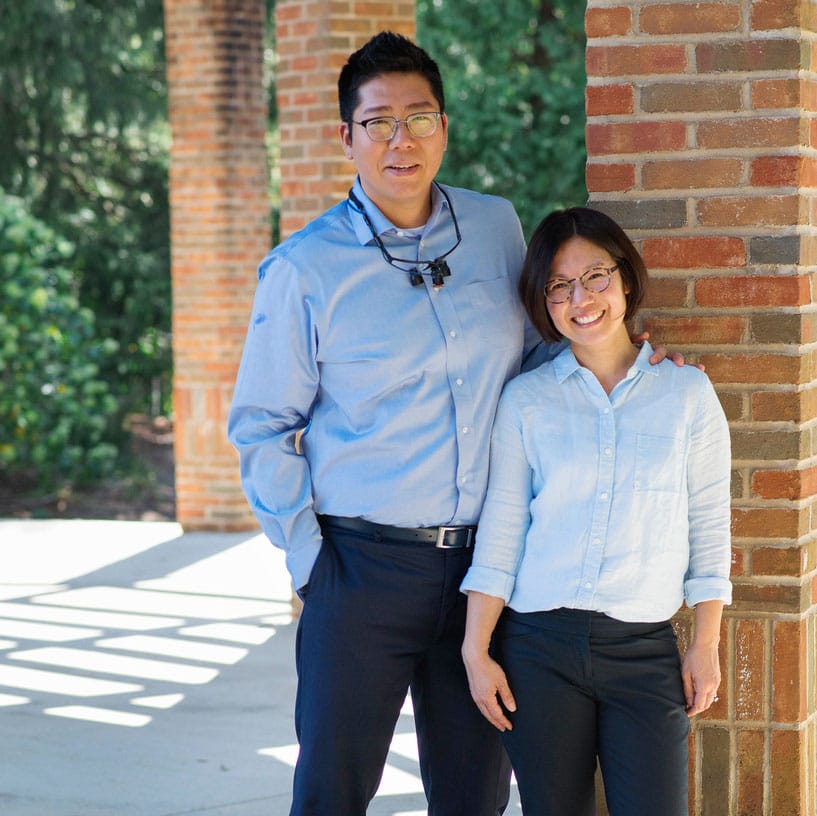

 Meet Dr. Zody
 Meet Dr. Choi
 Meet Dr. Son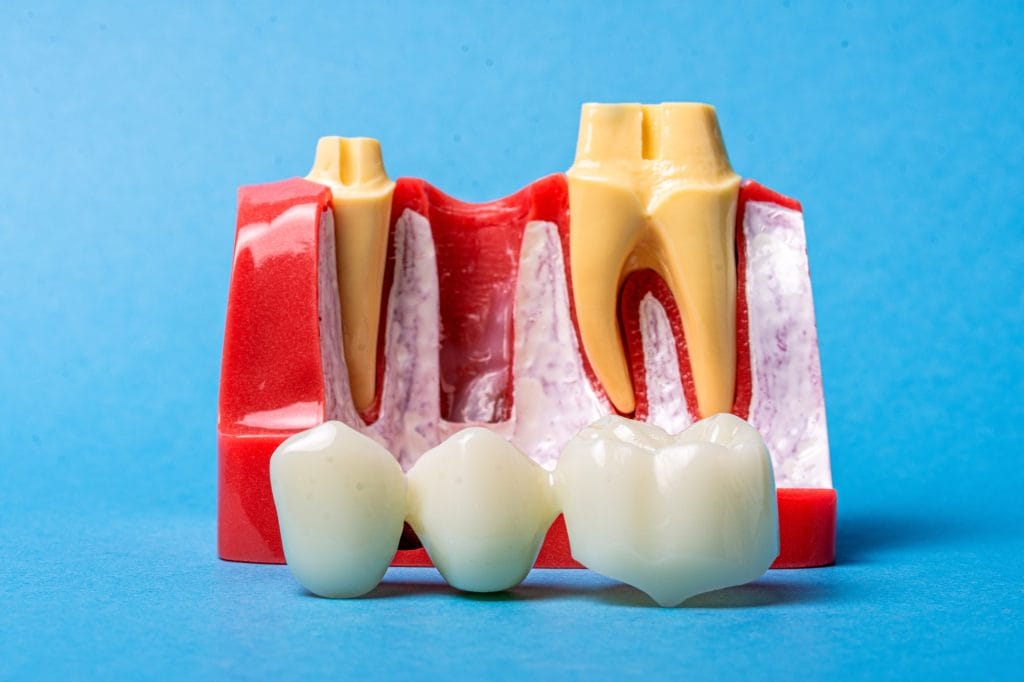
Living with missing teeth can feel distracting in ways you didn’t expect. You might notice changes in how you chew, speak, or feel in photos. Missing teeth can also affect oral health, as remaining teeth may shift, your bite can change, and your gum tissue and jawbone may lose support over time.
At Westerville Dental Associates, we help you compare tooth replacement options with a plan tailored to your needs. Choosing between dental implants, a dental bridge, and dentures starts with understanding how many teeth are missing, the condition of surrounding teeth, and what will help you chew, speak, and smile comfortably long term. You deserve dental care that feels clear, supportive, and focused on your health.
Why replacing missing teeth supports your oral and overall health
Tooth loss can create a chain reaction. Gaps allow adjacent teeth to drift or tilt, making chewing less efficient, increasing food trapping, and raising the risk of tooth decay and gum disease. Over time, bite changes can affect how teeth wear and how jaw joints feel.
Bone loss is another concern. Tooth roots stimulate the jawbone when you chew. Without a natural tooth, the bone in that area can shrink. Replacing missing teeth helps protect your dental health, supports your facial shape, and improves quality of life with a stable bite.
How we evaluate tooth replacement options
Before recommending a solution, we evaluate the full picture. During a dental exam, we assess your remaining teeth, gum tissue, and the bone where a replacement would go. We also discuss your goals, like eating comfortably or feeling secure when you speak.
Practical factors like the number of teeth involved, your timeline, and your budget are also considered. If you ask about costs, we explain what drives them and explore options that fit your needs. Financing tools like CareCredit can also be part of your plan.
Which tooth replacement option feels most like natural teeth?
Many patients want replacement teeth that feel close to natural. Dental implants often come closest because they replace tooth roots with a biocompatible post placed in the jawbone. After healing, an abutment connects the implant to a crown or prosthetic tooth, creating a stable artificial tooth that functions like a natural one.
A traditional bridge can also feel natural, especially when the abutment teeth are healthy and strong. Dentures and implant-supported dentures restore function and appearance, with the latter offering improved stability for those concerned about movement.
Dental implants: a stable option for one tooth or many
Dental implants are designed to replace missing teeth in a way that mimics natural teeth. The implant body is placed in the jaw, and the bone integrates with it over time. Once healed, a custom restoration—such as a crown, fixed bridge, or implant-supported dentures—is attached.
Implants are a strong choice for long-lasting tooth replacement if you have healthy gums and enough bone to support them. If bone loss has occurred, bone grafting may be recommended to rebuild the area before implant placement. We explain this process in simple terms and guide you on how proper care supports long-term success.
Implants can address several scenarios:
- Single tooth replacement with a crown that blends with natural teeth
- Replacement of several teeth with an implant-supported bridge
- Stabilizing dentures to reduce slipping compared to traditional dentures
We also help you navigate options like mini dental implants or other types you may have read about. Your bone, bite, and gum health guide the safest choice, and we coordinate care with specialists if needed.
Dental bridges: filling gaps using adjacent teeth or implants
A dental bridge replaces one or more missing teeth by spanning the gap and anchoring to supporting teeth. In a traditional bridge, crowns are placed on abutment teeth on either side, with artificial teeth in between. This is a good option when surrounding teeth are healthy enough to support crowns and a fixed solution is needed.
Bridges can also be supported by implants instead of natural teeth, which is helpful when multiple teeth are missing, or surrounding teeth aren’t ideal anchors. A Maryland bridge, which uses a framework bonded to the back of nearby teeth, may be considered for front teeth in specific cases.
Bridges can be a faster option than implants since implants require healing time for the jawbone to integrate. The best choice depends on your tooth structure, bite forces, and long-term care plans.
Dentures and partial dentures: flexible solutions for replacing several teeth
Dentures can be complete or partial, fixed or removable. Full dentures replace all teeth in an arch and mimic gum tissue and teeth. They typically rely on suction against the gums to stay in place and are removed for cleaning. Partial dentures replace several missing teeth and use remaining teeth for support with a framework and clasps.
An adjustment period is normal. Some patients notice more saliva, mild soreness, or speech changes initially. With follow-up visits and proper care, most people adapt well. Implant-supported dentures can provide added stability, reducing movement and improving comfort while chewing and speaking.
Dentures are often ideal when many teeth are missing or when replacing multiple teeth at once is the healthiest plan. If you have concerns about comfort, fit, or appearance, we’ll discuss realistic options to support your dental health.
What if you’re nervous about choosing the wrong option?
You don’t need to decide based on internet lists or what worked for someone else. Your mouth is unique, and tooth replacement works best when it matches your bite, gum health, and long-term goals. We’ll guide you through what each option can do, what it requires from your teeth and bone, and what maintenance involves.
If you’ve had gum disease, tooth decay, or a past root canal, those factors matter in planning. We assess whether surrounding teeth can serve as abutments, whether bone grafting could help with implant stability, and how to protect healthy teeth moving forward.
A simple comparison: comfort, maintenance, and long-term function
Here are key points we often review with patients:
- Dental implants: Very stable, supports chewing well, helps protect bone, and doesn’t rely on adjacent teeth. Requires oral hygiene and regular professional care.
- Dental bridge: Fixed option that fills gaps, restores function, and can look natural. Requires reshaping supporting teeth for crowns and careful cleaning around the bridge.
- Dentures or partial dentures: Efficiently replace many teeth and can be adjusted over time. Removable designs require daily cleaning and may feel less stable unless supported by implants.
The American Dental Association recognizes bridges and implants as established treatments in restorative dentistry. The best fit depends on your oral health, comfort preferences, and daily needs.
How to care for replacement teeth so they last
No matter which option you choose, consistent dental care protects your investment and comfort. Brush twice daily, clean between teeth, and keep regular dental visits to monitor your gums and the fit of any prosthetic. With implants, caring for the gums around the implant is as important as caring for natural teeth.
If you’re comparing online information, remember that some content may not apply to your unique situation. Your best guidance comes from an exam and a conversation focused on you.
Ready to explore your tooth replacement options?
If you’re living with missing teeth, you deserve answers that feel clear and supportive. Westerville Dental Associates offers restorative dentistry solutions, including dental implants, bridges, and dentures. Schedule an appointment today.