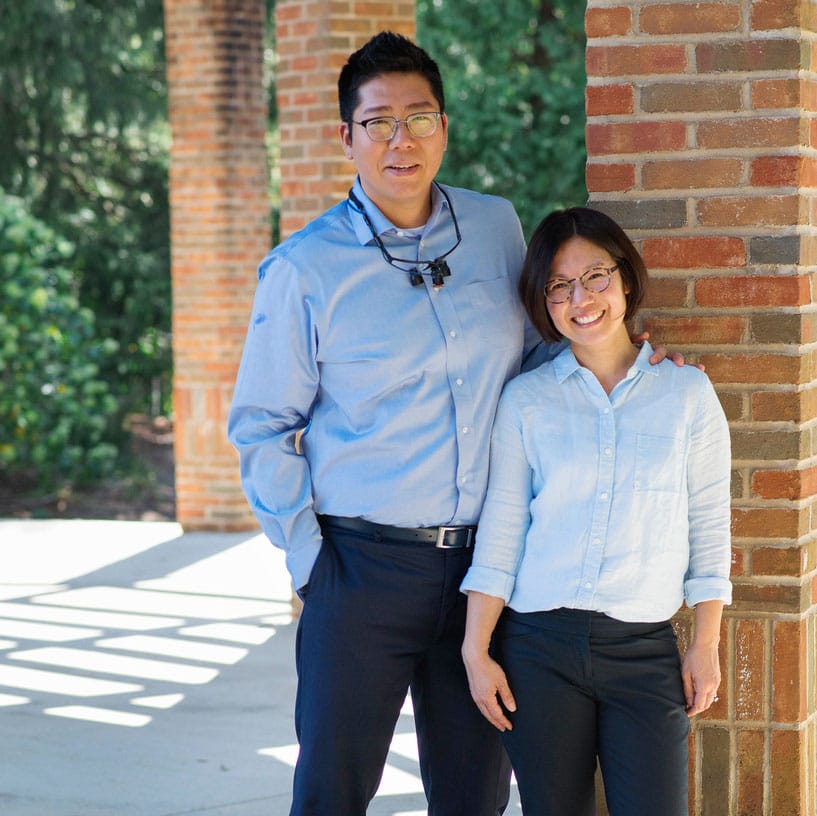

 Meet Dr. Zody
 Meet Dr. Choi
 Meet Dr. Son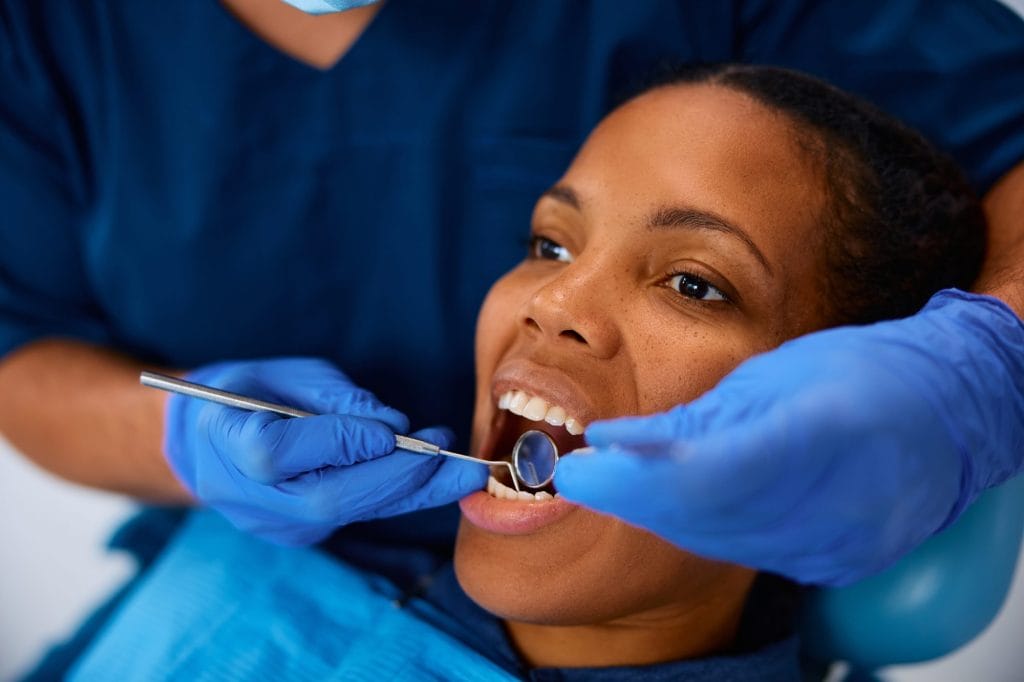
Your comfort and dental health are our top priorities. At Westerville Dental Associates, we guide you through preventive dentistry with clarity and care, including an oral cancer screening during your routine visit. Many patients want a clear picture of what happens, how it feels, and how our technology supports early detection across the oral cavity.
Why early detection in the oral cavity matters
Oral cancer can affect many areas of your mouth, including the tongue, gums, tonsils, and tissues near the larynx. Early detection supports early diagnosis and more comfortable treatment planning. Organizations that focus on oral health care emphasize cancer prevention and risk assessment for mouth cancer, especially in the early stages. Public awareness efforts help Americans understand risk factors such as tobacco use and a history of oral cancer.
What happens during an examination of the oral cavity?
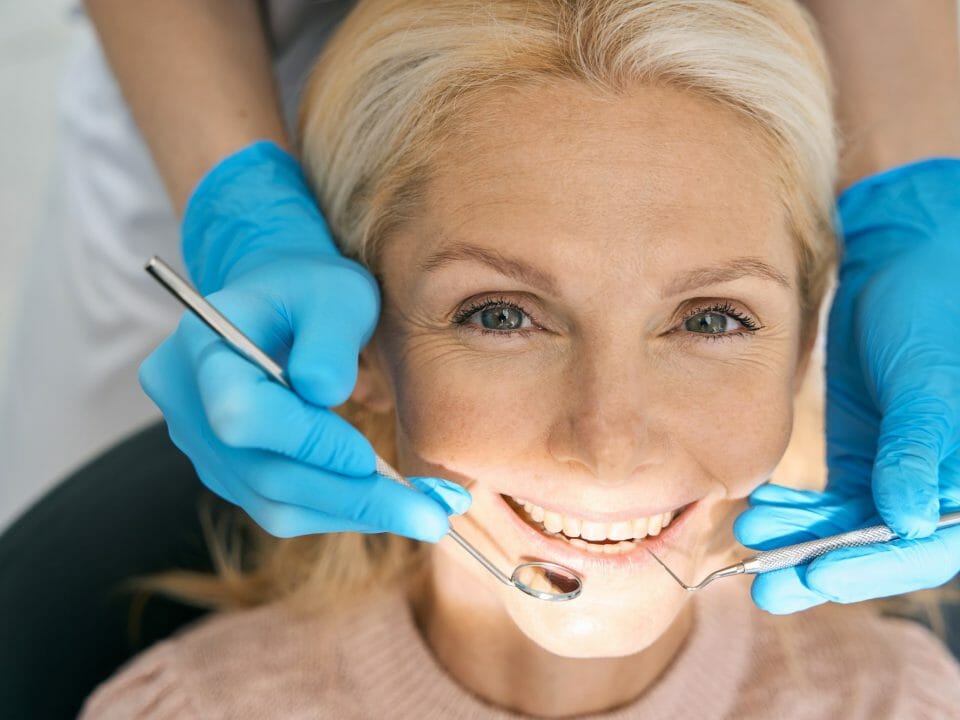
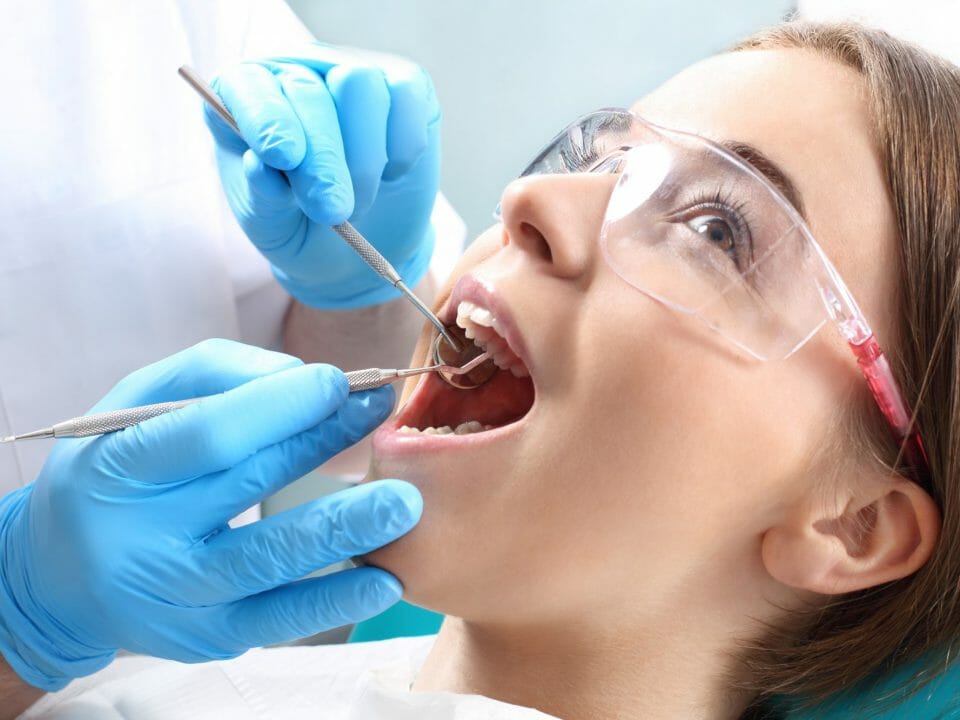
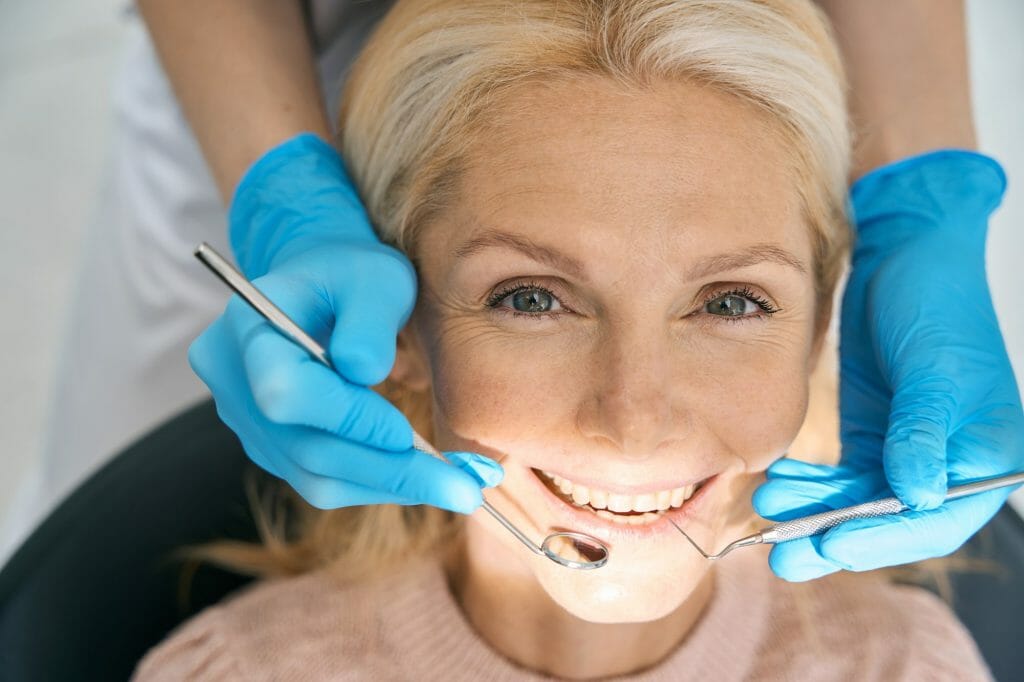
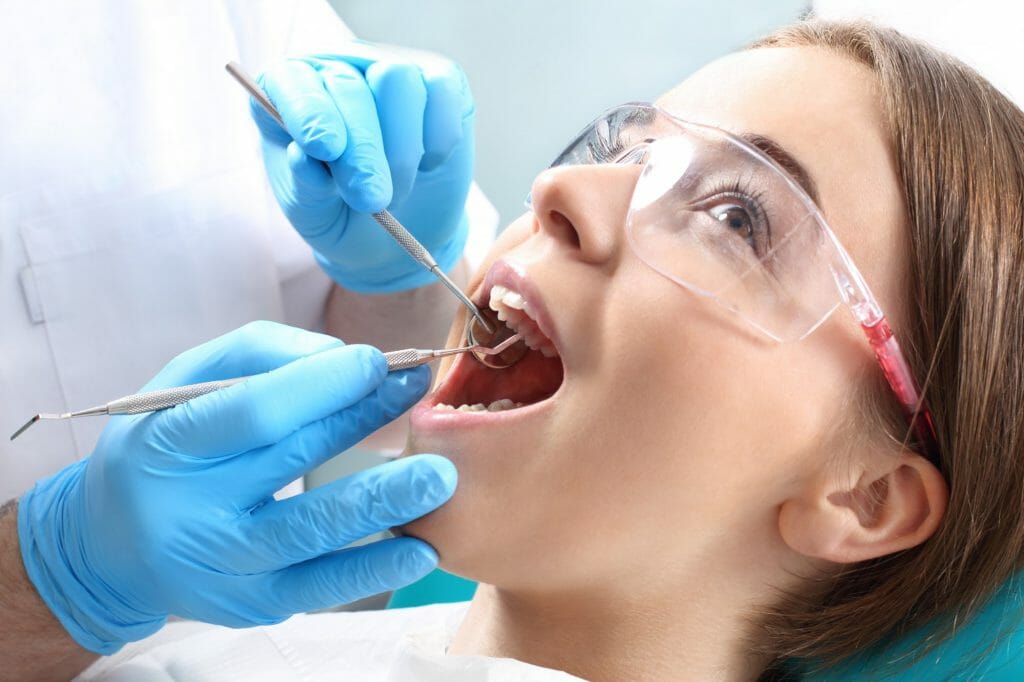
You can expect a calm, step-by-step evaluation that looks closely at your lips, gums, tongue, cheeks, and throat. We use light, mirrors, and gentle touch to check for abnormalities that may be indicative of oral cancer. The process is thorough and designed to reduce discomfort while supporting detection.
Your step-by-step screening at Westerville Dental Associates
- Health conversation and risk assessment
We start with a brief conversation about your medical care, medications, and lifestyle. We note any risk factors such as tobacco use or a history of oral cancer. This helps your dentist tailor the examination and decide whether further testing would be helpful. - Extraoral check of the head and neck
Your dentist uses gloved hands to gently feel along your jaw, under your chin, and on the sides of your neck. We look for lumps, bumps, or tender areas that could relate to lymph nodes. This part is quick, and most patients report little to no discomfort. - Visual examination inside your mouth
We perform a careful examination of the oral cavity, including the cheeks, floor of the mouth, palate, tonsils, and the back of the throat near the larynx. A small mirror and bright light reveal discoloration, lesions, or other abnormalities. We may use cotton or gauze to move the tongue and note saliva quality as part of your overall oral health care. - Tactile assessment of soft tissues
Your dentist and our dental hygienists gently press along the tongue, gums, and inner cheeks. We check for lesions, thickening, or areas that feel different from surrounding tissue. This hands-on assessment supports detection of areas that are not obvious to the eye. - Light-based visualization for added clarity
Some patients benefit from enhanced visualization with blue light, which can help highlight abnormal tissue patterns that warrant a closer look. These adjunctive diagnostic tests support our visual and tactile exam. They do not diagnose oral cavity cancer but can guide next steps in a thoughtful, patient-first way. - Selective use of dye-based adjuncts
In specific situations, your dentist may use a toluidine blue stain. This dye can temporarily color areas to help visualize a suspicious spot. Not every patient needs toluidine, and we discuss benefits and limitations before use to keep your experience gentle, thorough, and based on what is best for your health. - Cytology sampling when indicated
If an area looks unusual, exfoliative cytology may be recommended. This simple brush test gathers cells for cytology review under a microscope. The sample can help decide whether a biopsy is appropriate. We explain each step so you feel informed and supported throughout your dentistry experience. - Clear guidance on next steps
If we see something that could be indicative of oral cancer, we will discuss further testing. This can include a referral for a biopsy with an oral surgeon or oncologist. Your dentist coordinates with your broader health care team to support an accurate oral cancer diagnosis and smooth communication.
Which signs of oral cancer should you watch for at home?
Between visits, contact us if you notice any early signs of oral cancer. Watch for white patches called leukoplakia, red patches called erythroplakia, sores that do not heal, persistent bumps, thickening, or unusual discoloration. Report changes in the tongue, tonsils, gums, saliva, or throat comfort.
- A sore, lesion, or lump that lasts longer than two weeks
- Areas of discoloration that look white, red, or speckled
- Numbness, persistent throat irritation near the larynx, or difficulty moving the tongue
- Unexplained bleeding, changes in saliva, or new bumps
How do adjunctive diagnostic tests fit into your screening?
Enhanced tools can help us visualize areas that need attention. Recent systematic reviews and clinical trials show that blue light and toluidine blue stain can aid detection, although they do not replace a clinical exam. We discuss potential harms of screening such as overdiagnosis and keep testing focused on your specific needs.
Our team follows high standards of dental accreditation and ongoing education. We review evidence from sources such as the American Dental Association, American Cancer Society, and National Cancer Institute. Publications including J Am Dent Assoc and J Am Dent regularly share updates and systematic review summaries that help guide best practices across dental offices in the United States.
When is further testing or a biopsy recommended?
We recommend further testing when an area appears abnormal or is indicative of oral cancer. A biopsy remains the gold standard for an oral cancer diagnosis and provides clarity under a microscope. If needed, we coordinate medical care with a trusted oncologist and keep you informed at every step.
Some findings resolve on their own, while others call for early diagnosis. Our goal is thoughtful detection and timely referral when appropriate. Reports from national organizations often track the number of deaths and trends to support oral cancer awareness, and those insights reinforce why patient-centered screening matters.
Support, prevention, and trusted resources
You can lower the risk of oral cancer with consistent checkups, tobacco cessation, and prompt evaluation of changes. More information can be found by visiting the Oral Cancer Foundation website. These groups collaborate with health care partners to educate Americans about signs of cancer and when to seek care.
Our role includes education and reassurance. We help you separate fact from fiction, explain diagnostic tests in plain language, and document each finding clearly. If you are unsure about a recommendation, we are happy to answer your questions and tailor a plan that feels right for you.
Comprehensive care in Westerville, Columbus, and Central Ohio
Whether you are due for your routine cleaning or want to ask about screening during winter checkups, we are here to help.
Schedule an appointment today! Our experienced dentists are here to guide you through every step of your care. Learn more about how we can help, and let’s protect your smile together with careful detection and compassionate follow-up.