
 Meet Dr. Zody
 Meet Dr. Choi
 Meet Dr. Son
If your partner mentions your nightly snoring, it might seem like a minor annoyance or even a joke. However, chronic snoring can signal sleep apnea, a condition with serious implications for your comfort, energy, and overall health. This is why we may ask about your sleep during routine dental visits.
At Westerville Dental Associates, we view your oral health as part of your overall well-being. Preventive dentistry includes identifying patterns that could affect your long-term health. If you share that you snore, it helps us determine whether you might benefit from screening, coordination with other healthcare providers, or a discussion about sleep apnea treatment options.
Why would a dentist for sleep apnea ask about snoring?
Snoring provides clues about how you breathe at night, including whether your upper airway stays open as you sleep. For some, snoring involves vibration of soft tissues, while for others, it may signal repeated airway obstruction linked to obstructive sleep apnea. Sharing your experiences helps us decide whether further evaluation is needed.
Snoring and sleep apnea: what is the connection?
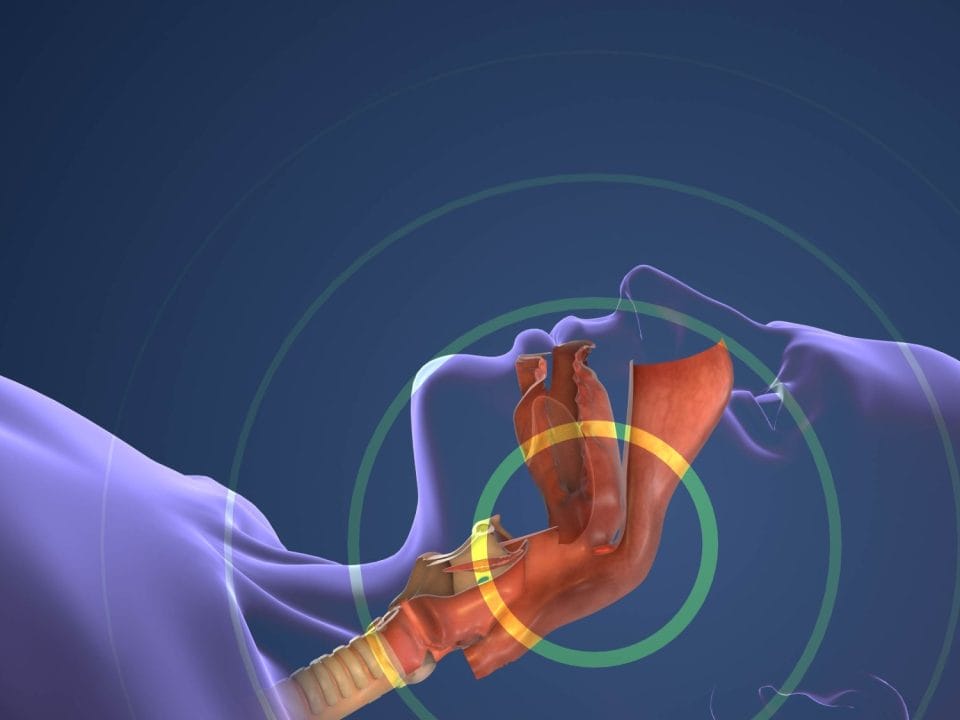
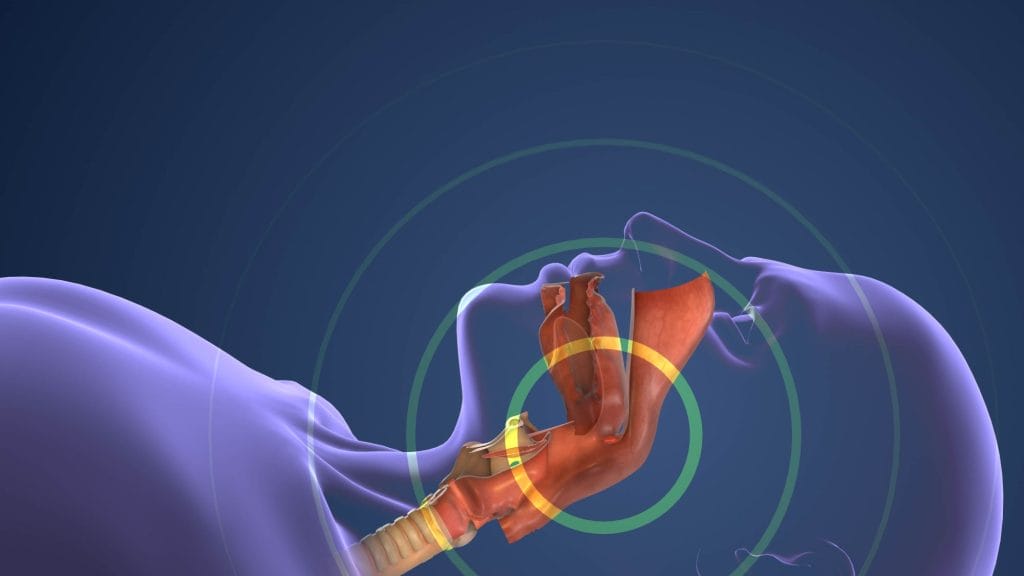
Snoring occurs when airflow becomes turbulent, often causing soft tissues near the back of the throat to vibrate during sleep. Occasional snoring, such as during a cold or after alcohol, is common and doesn’t necessarily indicate a problem.
With sleep apnea, breathing interruptions occur. In obstructive sleep apnea (OSA), soft tissues relax enough to narrow the airway, leading to partial blockage or complete airway collapse. This causes brief awakenings to restart breathing, even if you don’t remember them. These disruptions can lower oxygen levels and affect sleep quality, making sleep apnea a serious medical condition.
What your dentist can notice during a preventive exam
A dental exam includes more than just your teeth and gums—it also involves structures that influence breathing. While dentists don’t diagnose sleep apnea during cleanings, we can identify physical factors that correlate with sleep-disordered breathing and guide you toward the next steps.
During a preventive visit, we may observe:
- The shape and space of your mouth and upper airway
- How your lower jaw aligns with your bite
- Signs of dry mouth, often noticed upon waking
- Evidence of tooth wear from clenching or grinding, which may relate to disrupted sleep
- Soft tissue observations that may affect airflow during sleep
We combine these observations with your reported symptoms. If you mention loud snoring, gasping, choking awakenings, morning headaches, or daytime fatigue, we may recommend a sleep study through a medical provider.
“I snore but I feel fine.” When should you pay closer attention?
Many people live with poor sleep for so long that it feels normal. You might not connect snoring to headaches, irritability, or reliance on caffeine. Often, a partner notices patterns first, such as pauses in breathing or restless sleep.
Pay attention if you notice these common signs of sleep apnea:
- Loud snoring most nights
- Waking with a dry mouth or sore throat
- Gasping or choking during sleep
- Excessive daytime sleepiness or trouble concentrating
- Frequent nighttime awakenings
Sleep apnea is linked to long-term health concerns. Untreated OSA can strain the cardiovascular system, contributing to high blood pressure and increasing the risk of heart disease. That’s why we treat snoring conversations as part of prevention, not judgment.
How a dentist for sleep apnea fits into your care team
Sleep apnea care works best as a partnership. Diagnosis typically involves a medical evaluation and a sleep study, guided by a sleep physician or sleep specialist. Treatment options may include continuous positive airway pressure (CPAP) therapy, positional strategies, and dental approaches.
A dentist for sleep apnea plays a key role when oral appliance therapy is appropriate. At Westerville Dental Associates, we offer customized sleep apnea therapy using dental appliances designed to support breathing during sleep. This area of care, known as dental sleep medicine, focuses on patient comfort, fit, and long-term follow-up.
We also coordinate with your sleep medicine provider as needed, ensuring your dental appliance fits into your broader health plan. Our experienced dentists guide you through every step of care with clear explanations and personalized plans.
CPAP therapy vs oral appliance therapy: what is the difference?
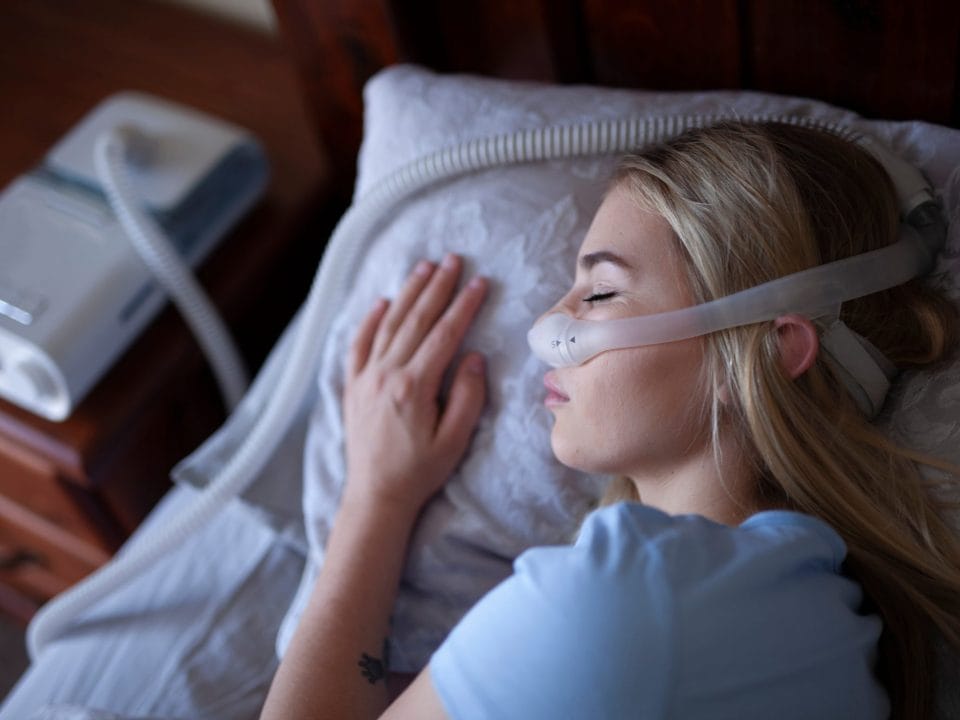
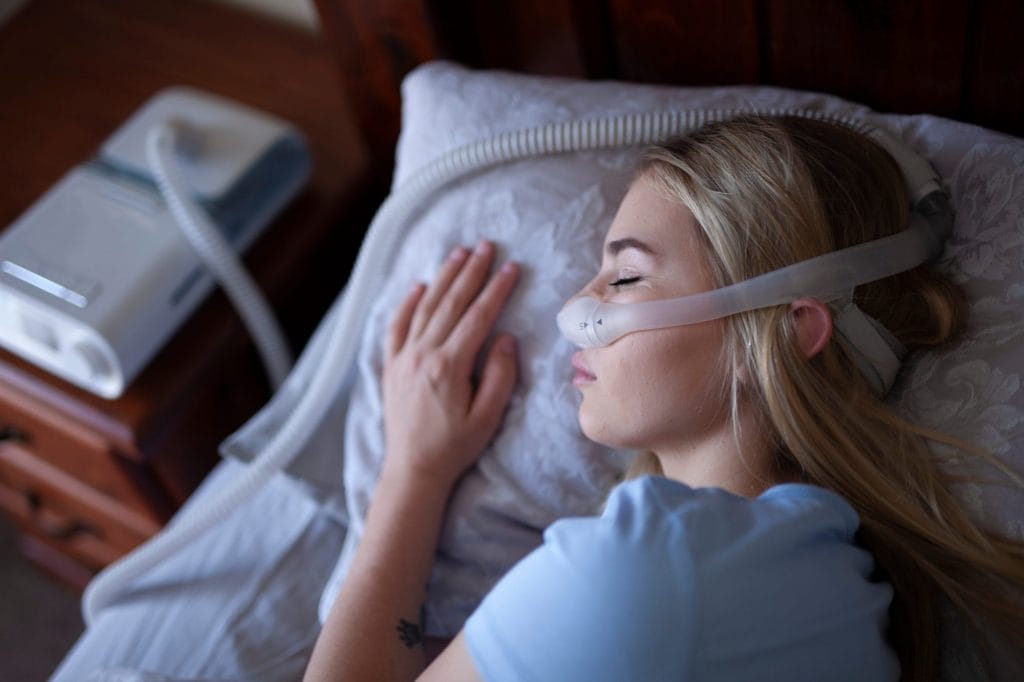
Many patients first hear about CPAP therapy after a diagnosis. CPAP uses a mask connected to a machine that provides pressurized air to keep the airway open. While effective, some people find CPAP uncomfortable, noisy, or inconvenient for travel.
If CPAP is challenging or your sleep physician recommends an alternative, a custom oral appliance may help. These small mouthpieces, worn during sleep, support the airway by adjusting jaw or tongue position to reduce blockage.
Both approaches can be effective. Your best option depends on your sleep study results, symptom severity, and medical team recommendations. A dentist for sleep apnea can help determine whether an appliance is suitable and how it fits into your treatment plan.
What is an oral appliance device, and how does it work?
A sleep apnea mouthpiece is different from a store-bought night guard. Its goal is airway support. Many appliances reposition the lower jaw forward to create more space behind the tongue and soft tissues, reducing airway narrowing.
A common approach in dental sleep medicine involves mandibular advancement devices, also called mandibular advancement splints. These devices fit over your upper and lower teeth and are adjusted gradually for comfort and effectiveness. Some designs include metal hinges or connectors for controlled movement while maintaining stability.
The specific type of oral appliance recommended depends on your dental health, jaw position, and sleep medicine provider’s guidance. When patients refer to “the oral appliance,” they often mean a custom-fit mouthpiece prescribed for treating OSA.
What to expect if you explore dental treatment for sleep apnea
If referred for appliance therapy, the process focuses on comfort, fit, and follow-up. Our team reviews your medical history, symptoms, and oral health to ensure your dental treatment supports both airway needs and your teeth.
The typical process includes:
- Consultation and review of your sleep study results, if available
- Records for a custom fit, including an impression of your teeth
- Delivery and adjustment of the appliance for stable bite and jaw position
- Follow-up visits to monitor comfort, symptom changes, and fit over time
With decades of combined experience, our Westerville team prioritizes gentle care and patient education. If something feels off, we’ll discuss adjustments to improve your experience.
Will medical insurance cover sleep apnea oral appliances?
Coverage varies based on your plan, diagnosis, and whether the appliance is billed under medical benefits. Some patients receive coverage through medical insurance, especially with a sleep study and physician documentation.
If you’re unsure where to start, ask us. We’ll help you understand what information you need from a sleep physician and what questions to ask your insurance provider.
Sleep changes that support treatment options
Dental appliances are effective tools, but daily habits also influence breathing and sleep. Your sleep physician may recommend lifestyle changes like weight management, limiting alcohol before bed, adjusting sleep position, and maintaining a consistent sleep schedule. These steps can enhance your device’s effectiveness and improve long-term comfort.
If you snore nightly, take it seriously without alarm. Sleep apnea is common, and obstructive sleep apnea is the most common type. With proper evaluation and treatment, many patients experience better rest, improved energy, and enhanced quality of life.
When should you talk to Westerville Dental Associates?
If your partner notices loud snoring, pauses in breathing, or choking sounds during sleep, mention it at your next visit. If you already have a diagnosis and struggle with CPAP, ask whether oral appliance therapy could work for you. A dentist for sleep apnea can explain your options and collaborate with your sleep medicine team.
At Westerville Dental Associates, we serve patients across Westerville, Columbus, and Central Ohio with preventive, restorative, and specialized care. If you’re unsure what your symptoms mean, we’re happy to answer your questions and guide you toward the next step.
To learn more about dental sleep apnea treatment and whether a custom oral appliance could help, contact Westerville Dental Associates today.