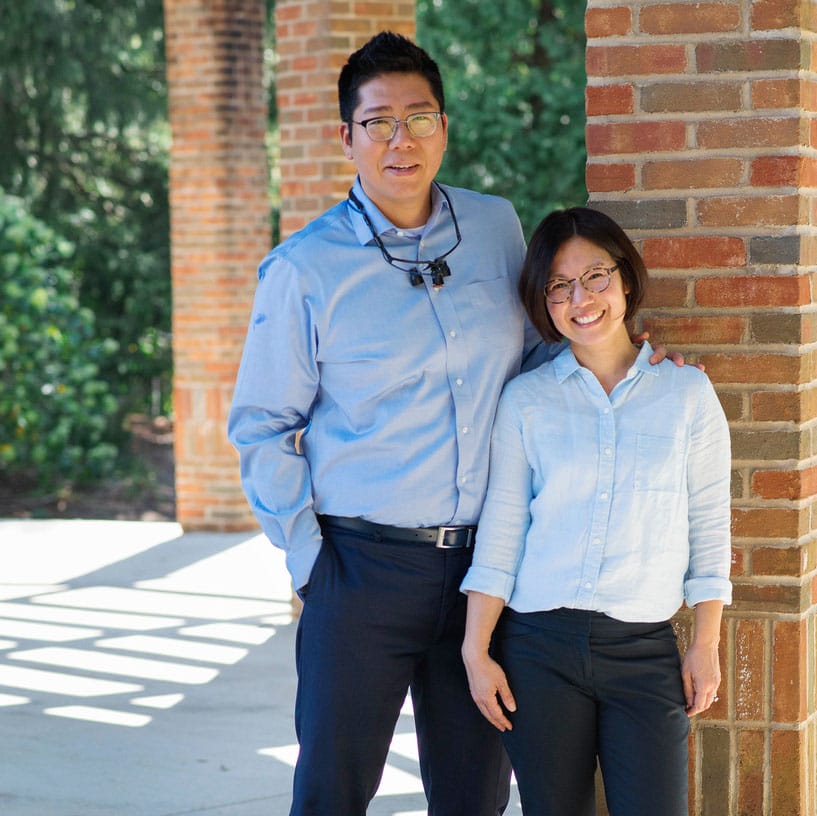

 Meet Dr. Zody
 Meet Dr. Choi
 Meet Dr. Son

You worked hard through orthodontic treatment, followed the orthodontist’s instructions, and finally enjoyed a straight smile. Then life happened. Years later, you look in the mirror and notice crowding again, a twist you do not remember, or your bite feels different. If you are dealing with teeth shifting after braces, you are not alone, and you have options.
At Westerville Dental Associates, we see many adults in Westerville, Columbus, and Central Ohio who experience orthodontic relapse after their original treatment. The good news is that small changes often respond well to clear aligners like Invisalign. The next step is figuring out why your teeth shift and what type of plan will help you feel confident again.
Why teeth shifting after braces happens, even years later
Your teeth can move throughout the rest of your life. After braces, your teeth want to drift toward their original positions, especially if retainer wear became inconsistent. This is a natural process, and it does not mean your original treatment failed. It means your mouth continues to change.
Tooth movement happens because the surrounding bone and gum tissues respond to pressure and daily forces. Bone remodeling continues over time as your body constantly refreshes bone around your tooth roots. Add in natural aging and everyday habits, and even a small amount of movement can show up as visible changes in your smile.
Many people notice teeth shift most in the front teeth, especially the lower front teeth. That area tends to be crowded easily, and minor shifting can make teeth look uneven quickly, even when your back teeth still seem fine.
Are retainers really that important for long term orthodontic results?
Yes, and this is one place where a lot of people get surprised. Retainer use supports the tooth alignment you achieved and helps prevent further movement. The American Association of Orthodontists emphasizes that retention matters for long term stability after orthodontics.
You may have worn removable retainers faithfully in the first year, then gradually wore them less. That pattern is common, especially when you feel like things look stable. Over time, consistent retainer wear becomes the best way to hold your teeth in their new positions.
Retainers also vary. Hawley retainers and clear retainers can both work well, and your retainer type affects feel, durability, and how likely you are to keep up with retainer wear. If yours no longer fits, cracks, or disappears, replacement retainers or a new retainer can help, but you also want to confirm whether your teeth have already moved enough to need active correction.
What counts as minor shifting versus significant relapse?
Some movement after braces can be very manageable. Minor relapse often looks like small changes such as slight crowding, a single tooth that turned, or a subtle gap. Significant relapse can include more noticeable crowding, bite changes, or multiple teeth that moved into new positions.
It also matters where the shifting happened. Changes in the alignment of your teeth can influence how your bite comes together, and the new position of your bite can affect comfort and chewing. If you notice wear, jaw tension, or stress on certain teeth, it is a good idea to get evaluated rather than guessing.
Even if you had braces at a young age, your teeth can still shift later. Growth patterns, natural aging, and a number of other factors can play a role.
Can Invisalign straighten teeth again after orthodontic relapse?
Yes, Invisalign can often correct orthodontic relapse, particularly when the movement is mild to moderate. Invisalign uses clear removable aligner trays that apply gentle pressure in a planned sequence. Each aligner encourages controlled tooth movement toward your desired alignment.
Because Invisalign trays are removable aligners, you can take them out to eat and to brush and floss. Many adults appreciate that convenience, especially if they remember the food restrictions and adjustments that came with traditional braces.
That said, not every case is the same. Some significant relapse or complex bite concerns still call for other orthodontic treatment options. The only way to know what fits your current position is a dental exam and a customized treatment plan based on digital records and your oral health status.
Do you need Invisalign or a new retainer?
You might be wondering whether you need active aligner therapy or if a clear removable retainer can simply hold things where they are. Here is a helpful way to think about it: a retainer maintains, and Invisalign moves.
If your retainer still fits fully and comfortably, you may be able to prevent further movement with consistent wear and improved care of your retainer. If your retainer no longer fits, it often signals that your teeth have already shifted into new positions. In that situation, Invisalign can align teeth and then a new retainer helps keep your orthodontic results stable.
During your next visit, our team can look at your current alignment, discuss your smile goals, and help you understand whether retention or active tooth movement is the best path forward.
Why your lower front teeth often shift first
The lower teeth tend to crowd with time. Many people first notice relapse in the lower front teeth because the space is limited and the teeth are small and close together. Even minor shifting there can change how your smile looks and how floss fits.
Oral habits can add force to that area. Clenching, grinding, nail biting, or pushing on teeth with your tongue can contribute to further movement. If you also deal with bruxism or sleep apnea, it is worth mentioning during your consultation since sleep quality and oxygen flow relate to whole-person health, and your dentist may want a complete picture.
Wisdom teeth sometimes get blamed for crowding, but tooth movement is usually multi-factorial. Your dentist can help you sort out what is most likely in your specific case.
What to expect at an Invisalign consultation at Westerville Dental Associates
You deserve clear answers without pressure. At Westerville Dental Associates, Dr. Gretchen R. Zody, Dr. Sue Choi, and Dr. Yuchan Son provide Invisalign for patients who want a discreet, practical way to improve alignment.
Your visit typically focuses on a few key steps. We review your dental history, examine your teeth and gums, and talk through what you are noticing, such as front teeth crowding or bite changes. Digital scans and digital images help us evaluate your tooth alignment and map out a treatment plan through Invisalign’s digital planning.
If Invisalign is a fit, your custom aligners are designed to guide movement step by step. You wear each set for about one to two weeks and switch through the series as directed. Most patients wear aligners about 20 to 22 hours per day for steady progress.
Will Invisalign affect your daily life?
Most people find Invisalign blends into daily routines once they build the habit. The aligners are clear and smooth, so they do not have brackets or wires. You can remove them for meals, then brush and floss normally, which supports good oral health during treatment.
A few practical points help treatment go smoothly:
- Plan for retainer wear after Invisalign, since retention protects your new smile long term.
- Clean aligners gently with a toothbrush and water and avoid using hot water, since heat can warp the trays.
- Use the protective case so aligners do not get lost or damaged.
- Tell us if you notice speech problems at first. Minor speech changes can happen briefly while you adjust.
Small choices add up, and consistent wear helps you stay on track toward a beautiful smile and stable results.
A supportive next step if your teeth have started to shift
If you are noticing teeth shifting after braces, you do not have to live with it or hope it stops on its own. Orthodontic relapse is common, and modern clear aligners can be a comfortable solution for many adults who want to restore their original alignment.
If you are in Westerville, Columbus, or Central Ohio, contact Westerville Dental Associates to talk through what you are seeing. We are happy to answer your questions, evaluate your current position, and help you choose a plan that supports your smile and your long term oral health.