
 Meet Dr. Zody
 Meet Dr. Choi
 Meet Dr. Son

A toothache can be confusing when it shows up, disappears, and then returns days or weeks later. If your toothache comes and goes, it’s easy to assume the problem solved itself. Many people push it to the back of their mind and get back to daily life until the next flare-up.
Intermittent tooth pain usually means something is happening beneath the surface. You may be dealing with tooth decay, a cracked tooth, gum recession, or irritation near the root of the tooth. The good news is that you don’t have to guess. With the right dental care and a careful exam, you can identify the underlying cause and choose an appropriate treatment before it turns into persistent pain or further damage.
Why a toothache comes and goes in the first place
Intermittent pain often happens when a tooth is irritated but not fully overwhelmed. Early stages of tooth decay can trigger tooth sensitivity with cold foods, sweet foods, or temperature changes, yet feel fine the rest of the day. As the irritated area settles down, you get temporary relief, which can make the issue feel less urgent.
Pain can also change based on your daily activities. Clenching, chewing on one side, or biting something hard can wake up a sensitive area around an old filling or dental work. If inflammation calms down for a while, you may only notice occasional discomfort until the next trigger.
A key point to remember is that decreasing pain doesn’t always mean healing. It can mean the exact cause is still active, but the type of discomfort is shifting as tissues inside and around the tooth respond.
What types of intermittent tooth pain can tell you
The type of pain gives your dental team clues about what is happening. A sharp pain when you bite may suggest a cracked tooth or a problem with an existing restoration. A dull ache can point to inflammation in the ligament around the tooth or pressure changes that irritate the area.
Temperature sensitivity matters, too. Pain with cold foods that lingers can be a warning sign that the nerve is involved. Pain with temperature changes that comes and goes can also happen when enamel is weakened by tooth decay, grinding, or gum recession that exposes more sensitive tooth structure.
Pay attention to patterns you can share with your dentist, including these common details:
- What sets it off (cold, heat, sweets, chewing, or sinus pressure)
- How long it lasts (seconds vs. minutes vs. hours)
- Whether it wakes you up or affects your daily life
- Any bad taste, swelling, or constant discomfort nearby
Common causes of intermittent pain that should not be ignored
A toothache that appears and disappears can come from several dental issues. Some are straightforward and can be treated with a filling. Others need more involved care such as root canal therapy or other restorative dentistry. Here are some of the most common causes we see.
Tooth decay: A cavity that hasn’t reached the nerve can cause intermittent tooth pain, especially with sweet foods or cold drinks. Treating it early with tooth-colored fillings often prevents deeper infection and helps you avoid severe pain later.
Cracked tooth: A small crack can hide until you bite down in a certain way. This can cause sharp pain that feels random because the crack opens and closes under pressure.
Irritation under a filling or crown: Decay can develop around or beneath prior dental work over time. This can create sensitive teeth and intermittent pain that feels unpredictable.
Gum disease and gum recession: Gum disease can expose sensitive areas and create soreness or tooth sensitivity, especially during brushing or flossing. Gum recession can also expose root surfaces that react to temperature changes.
Wisdom teeth: Wisdom teeth can cause intermittent pain when they partially erupt or trap bacteria. You may feel soreness in the back of your mouth that comes and goes.
Sinus infections and sinus pressure: Upper teeth sit close to the sinus cavities. Sinus infections can create referred pain in the upper teeth that mimics tooth pain, especially with congestion.
Infection: A dental abscess can sometimes flare and calm temporarily. You might notice swelling, a bad taste, or pain that shifts from mild discomfort to severe pain.
When intermittent tooth pain points toward the nerve
Inside each tooth is soft tissue that contains blood vessels and nerves, often called the pulp. When decay or trauma gets close to the pulp, the tooth can become inflamed. At first, that inflammation can come and go, especially if the irritation is triggered by cold foods or chewing.
Over time, inflammation can progress to infection or nerve damage. Sometimes a tooth stops hurting for a period because the nerve is no longer responding normally. That can feel like relief, but it can also allow infection to spread more quietly. This is one reason persistent tooth pain isn’t the only sign that matters. Intermittent pain can still signal an underlying issue that needs professional care.
What your dentist looks for when you say your toothache comes and goes
Your first step is a thorough evaluation. At Westerville Dental Associates, our experienced dentists take your symptoms seriously and help you feel informed and confident about what happens next. We will talk through your type of pain, when it started, and what triggers it, then examine the tooth and surrounding gums.
Finding the cause of the pain may include checking for:
- Visible tooth decay or weakened enamel
- Cracks, worn biting surfaces, or signs of grinding
- Changes around existing fillings or crowns
- Gum disease, gum recession, or tenderness around the gumline
- Sensitivity responses to temperature sensitivity testing
- Signs of infection that raise concern for a dental abscess
The goal is to pinpoint the underlying cause so you get the right dental treatment. Prompt treatment often keeps a manageable issue from turning into tooth loss or a more complex restoration later.
Do you need a root canal when your tooth pain comes and goes?
You might, and you might not. A root canal is recommended when infection or inflammation affects the inner tissue of the tooth and the tooth needs help healing safely. Some intermittent tooth pain comes from enamel and dentin sensitivity and can be treated with a filling or other conservative care.
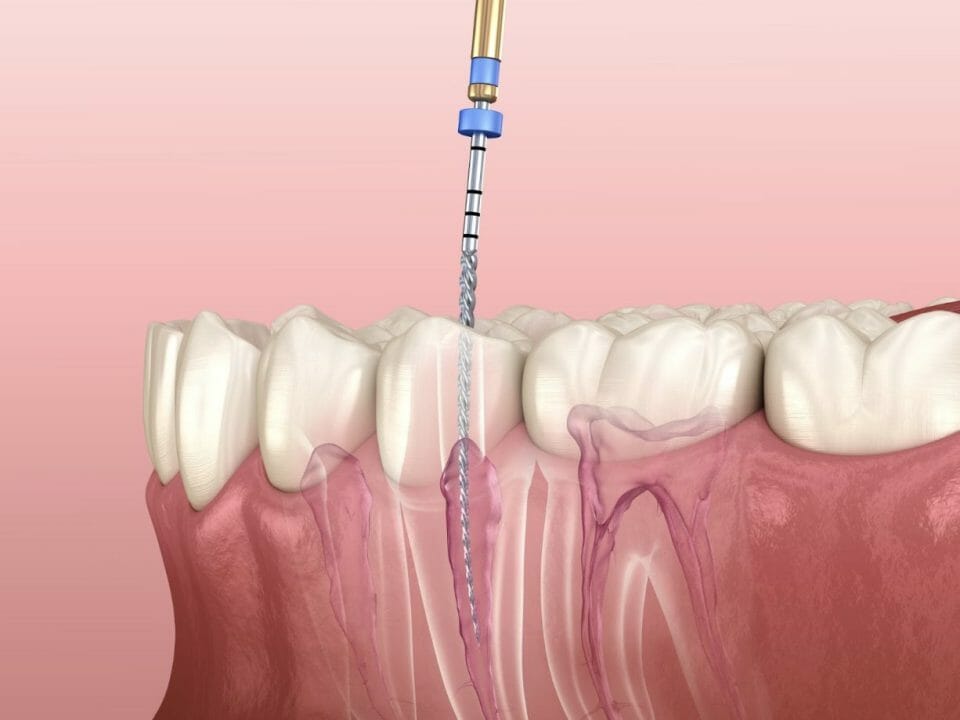
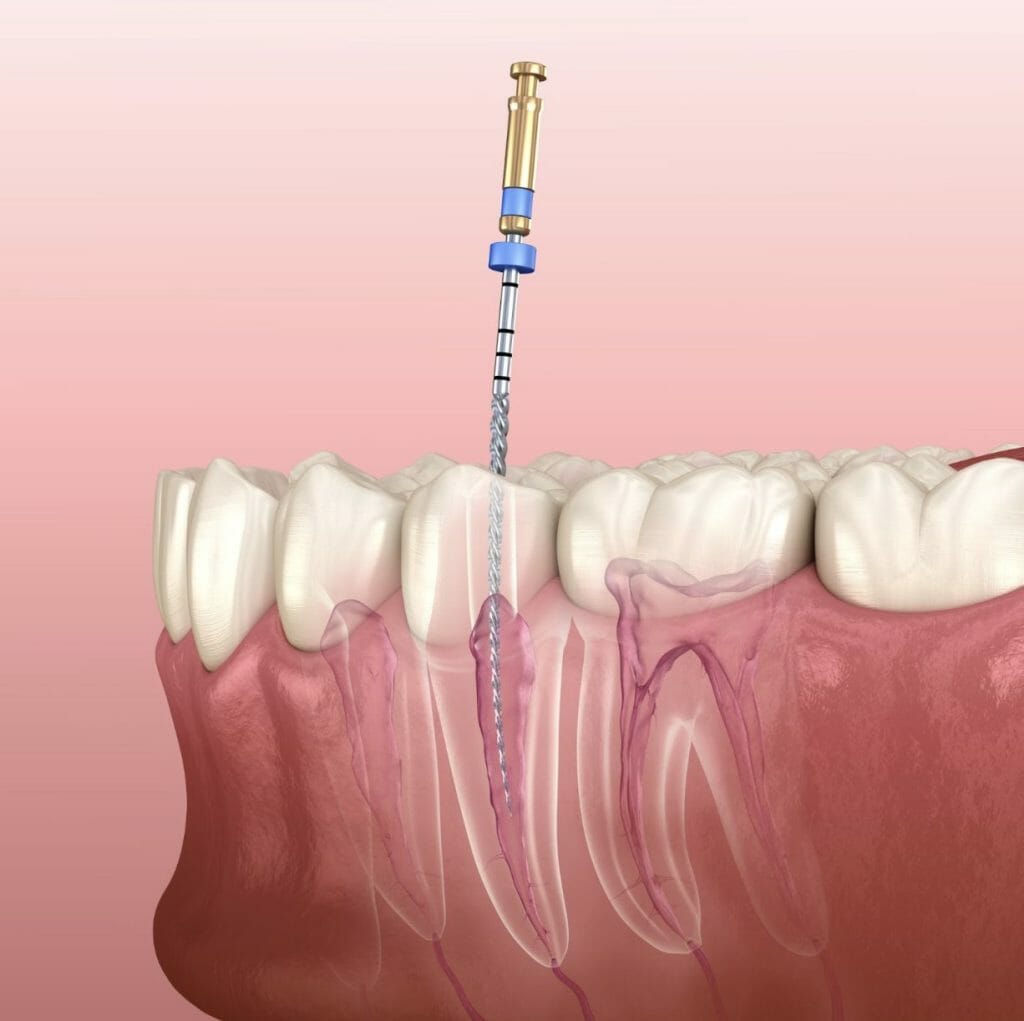
If the pulp is infected or severely inflamed, root canal treatment can remove the source of pain and help you keep your natural tooth. During treatment, the infected tissue and bacteria are removed from inside the tooth, the canals are carefully cleaned and shaped, and then the space is sealed to prevent bacteria from returning. After root canal therapy, a dental crown is often recommended to restore strength and protect the remaining tooth structure.
Root canal therapy is considered a highly successful way to save a tooth affected by infection or severe decay. With proper care and regular checkups, a treated tooth can often last as long as your other natural teeth.
Safe ways to manage discomfort while you wait for professional dental treatment
When a toothache comes and goes, home care can help you stay comfortable, but it shouldn’t replace a dental visit. A cold compress on the outside of your cheek can reduce soreness. Rinsing with warm salt water can soothe irritated gums and help flush debris from around a tender area.
Try to avoid triggers that worsen tooth sensitivity, including very cold foods, sticky sweets, and chewing ice. Also avoid chewing on the side that hurts, especially if you suspect a cracked tooth. If brushing feels uncomfortable, gentle brushing and good oral hygiene remain important to prevent dental problems from progressing.
If your pain shifts into constant discomfort, swelling, fever, or drainage with a bad taste, call right away. Those can be signs of infection that needs prompt treatment.
When to contact our Westerville dental office
Intermittent pain deserves attention, even when it feels mild. If your toothache comes and goes for more than a few days, keeps returning, or changes in intensity, it’s time to get answers. The earlier you address the cause of the pain, the more options you usually have for comfortable, conservative care.
At Westerville Dental Associates, your comfort and dental health are our top priorities. Whether you need a professional cleaning, fluoride applications for prevention, a filling, or root canal therapy, our team is here to guide you through every step with gentle, thorough care. If you are in Westerville, Columbus, or anywhere in Central Ohio, contact us to talk about what you are feeling and what kind of dental care is right for you.