
 Meet Dr. Zody
 Meet Dr. Choi
 Meet Dr. Son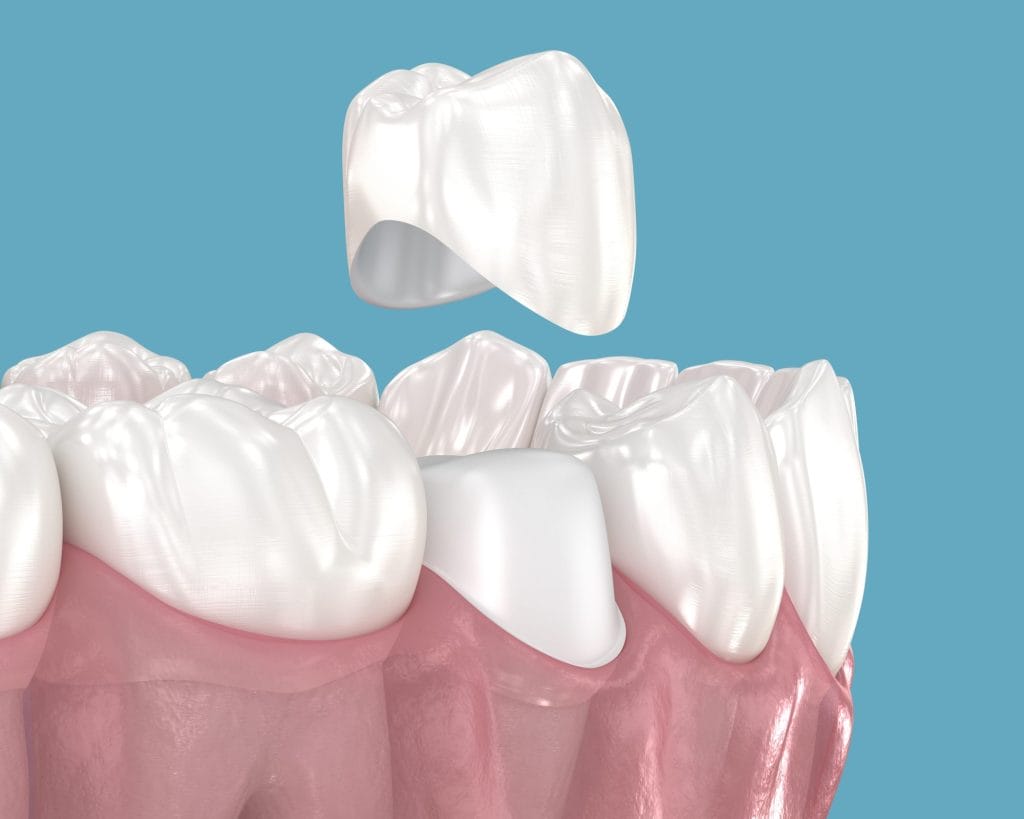
Small cracks in a tooth often start quietly. You might feel a brief zing when chewing on back teeth or sipping something cold, then it fades. These early fractures matter because they can spread into deeper layers of enamel and dentin. Timely diagnosis can protect your natural tooth and comfort.
At Westerville Dental Associates, we will help you understand what we see during an exam and why it matters to your oral health. Our experienced dentists in use proven methods to find early cracks and recommend the most conservative solution. When needed, Dental Crowns give a cracked tooth strength before the problem grows.
What early fractures look like near the surface of the tooth
Tiny lines in enamel can appear around the gum line or across chewing grooves. You may notice sensitivity in molars when biting against opposing teeth. A cracked area can hide under an old filling or restoration, which makes routine dental visits essential. Early care supports long-term durability and reduces future discomfort.
You might be surprised by how small these lines can be. The crack can run across the entire tooth or stay shallow near the surface. Either way, a weak tooth needs attention. The goal is to protect remaining tooth structure and stop bacteria that can lead to decay.
How your dentist finds cracks during dental visits
Your exam starts with a careful look under bright lighting and magnification. We check enamel, gums, and the edges of any crown, onlays, or filling. Gentle bite tests, cool air, or temperature checks can reveal sensitive spots in the back teeth. These methods follow guidance from the American Dental Association and reflect common best practices in dentistry.
When helpful, we use digital imaging to study the area around the gum line. A digital scanner may capture an impression of the tooth for a precise model. This helps us evaluate tooth preparation needs if a restoration is recommended. The goal is a clear diagnosis and a plan you understand.
Could an early crown prevent a root canal?
An early crown can stabilize a cracked area and protect the inner nerve from irritation. This reduces repeated flexing during chewing and blocks bacteria from entering deeper layers. In many situations, stabilizing the crack lowers the chance of needing root canal treatment, preserving comfort and function for the long term.
When a dental crown protects a weak tooth
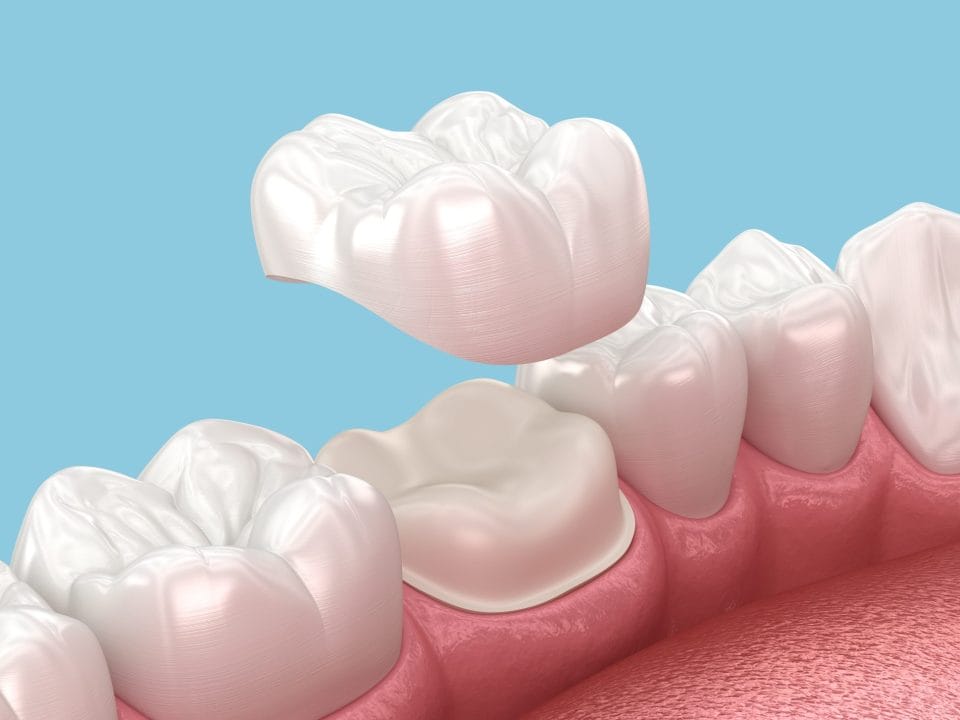
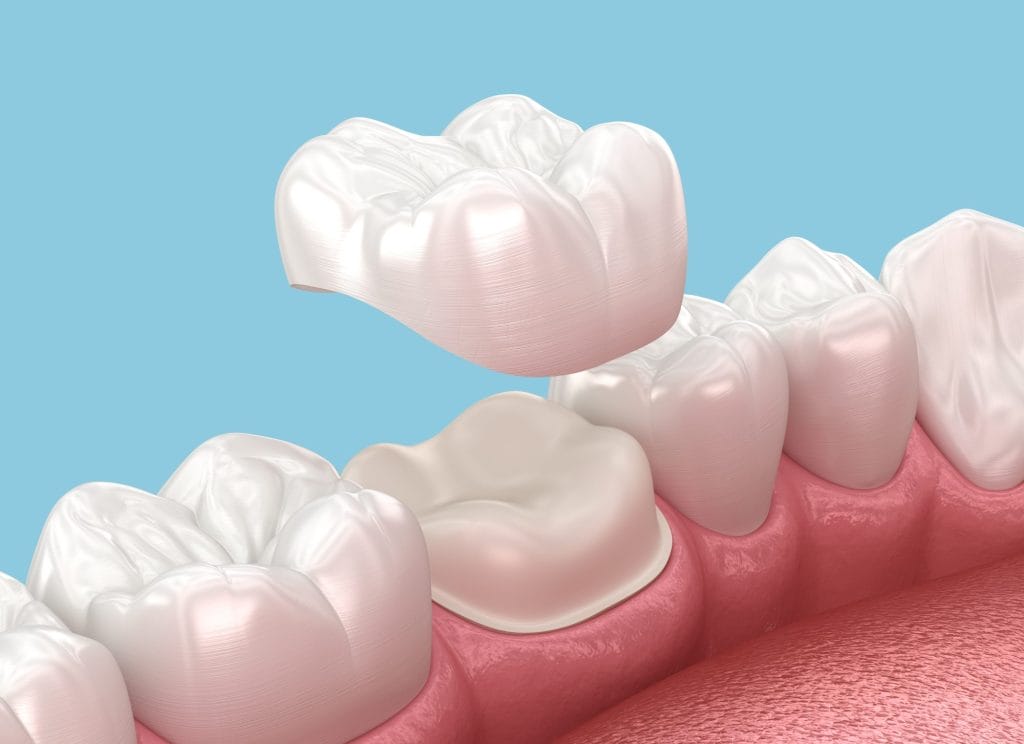
A dental crown surrounds and supports a compromised tooth, acting like a protective shell. Crown placement can be a good choice when fractures threaten the remaining tooth structure or when a large filling no longer holds up. The first step is conservative tooth preparation to create space for the new crown.
Your dentist will shape a prepared tooth and take an impression with a scanner or traditional material. A temporary restoration is placed with temporary cement to protect the tooth between visits. A dental lab then fabricates a permanent crown designed for fit, strength, and natural color.
Types of crowns and materials used in recent years
There are several types of crowns. Ceramic crowns and porcelain options blend well with natural teeth. Zirconia crowns offer strong, durable performance for molars. Metal crowns and gold crowns provide proven longevity. Resin crowns and acrylic options may be used in selected cases. Stainless steel crowns are common for children and specific temporary needs.
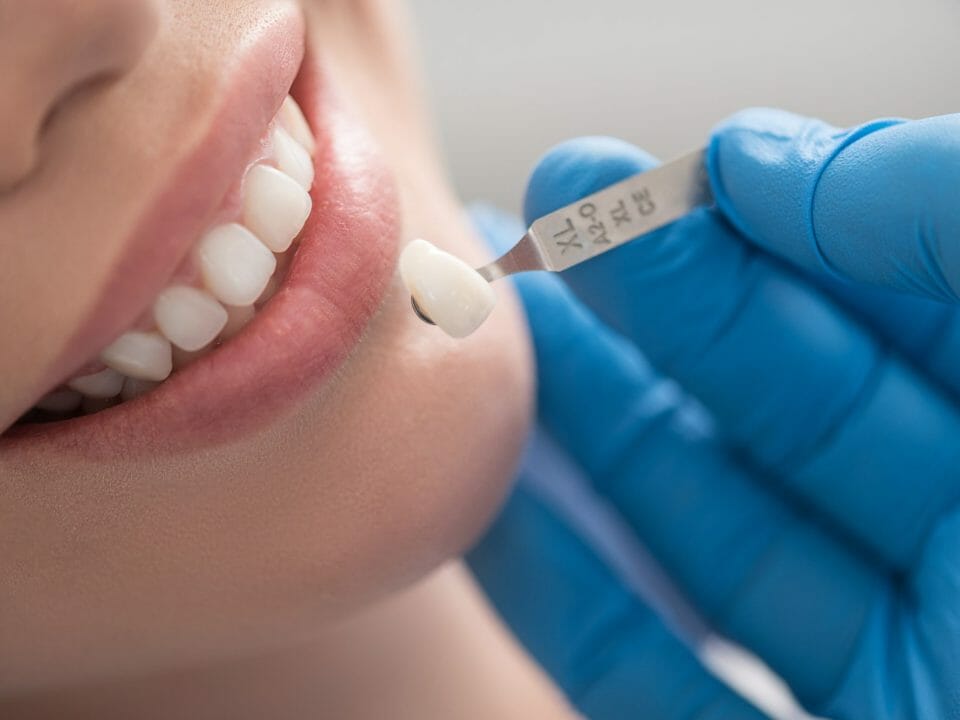
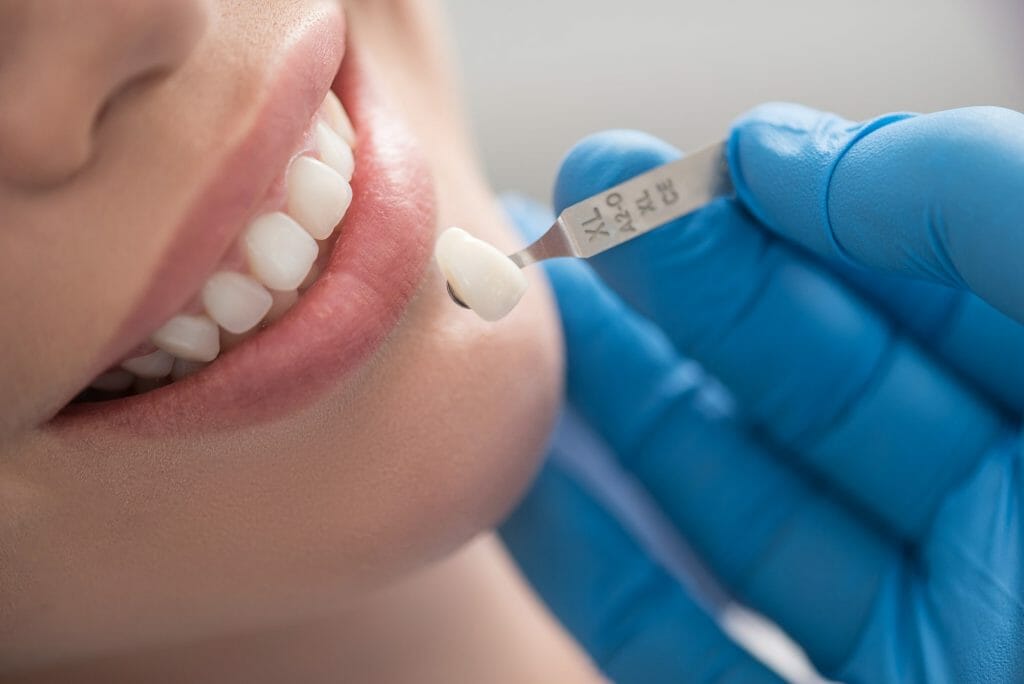
Each type of crown uses specific materials. Porcelain or ceramic layered over an alloy core balances esthetics and durability. Full zirconia provides high strength when chewing forces are heavy. Your dentist will discuss the type of crown that matches your bite, the location of the crack, and the demands of opposing teeth.
What to expect during crown placement and proper care
During crown placement, local anesthesia keeps you comfortable. A temporary crown protects the prepared tooth while the permanent crown is being made. Many crowns today are designed with CAD systems at a dental laboratory to refine contours and contacts. The final crown is bonded with dental cement for a secure seal.
Proper care supports your restoration. Brush and floss around the crown margin to keep gums healthy. Avoid chewing ice or hard objects to protect durability. Attend regular dental visits so we can monitor the crown, the entire tooth, and surrounding tissues. Good daily habits help your new crown last.
How cracks relate to root canal and dental implant needs
A deep, untreated crack can reach the nerve and lead to a dental emergency. Root canal treatment may save the tooth if bacteria invade the inner chamber. If a tooth splits below the gum line or cannot be restored, a dental implant can replace missing teeth. Early diagnosis helps you avoid these outcomes whenever possible.
Think of early stabilization as an investment in your natural tooth. A well-fitted crown or onlays can reduce flexing and stress. This protects the inner structures and lowers the chance of future procedures. Your comfort and dental health guide every recommendation.
Signs you should call our dental practice in Westerville
Call if you feel sharp pain when you release your bite. Notice pain that comes and goes on chewing. Look for sensitivity along the gum line or temperature changes that linger. Watch for a line you can feel with your tongue, a chipped corner, or a crack around an older restoration.
Reach out sooner if you experience swelling, a tooth that feels loose, or sudden pain in the back teeth. These signs can point to deeper fractures. Timely care protects natural teeth and reduces the risk of more complex procedures.
Temporary crowns, second visit steps, and the final fit
While you wear temporary crowns, avoid sticky foods and chew on the opposite side. Temporary cement holds the crown lightly so we can remove it at the second visit. Your dentist will try in the permanent crown, check contacts with opposing teeth, and ensure a precise bite before final cement bonding.
The final fit should feel natural. Your bite should meet evenly, and the margins should feel smooth to your tongue. A careful check during your second visit helps your crown function like a natural part of your smile.
Materials, comfort, and anesthesia questions answered
- Cement and bonding: Modern cement systems help seal out bacteria and support the crown’s edges.
- Materials: Options include resin, porcelain, ceramic, zirconia, alloy, acrylic, and gold.
- Comfort: Local anesthesia minimizes discomfort during tooth preparation and crown placement.
- Durability: Strong materials and careful design improve durability for chewing on molars.
Prevention tips that lower fracture risk
- Wear a custom guard if you grind. Bruxism treatment reduces stress on enamel and restorations.
- Fix decay early. Timely filling or onlays limit crack growth.
- Keep up with cleanings. Healthy gums support the tooth and crown edges.
- Avoid hard objects. Protect the surface of the tooth from sudden forces.
- Address small chips. The first step is a simple exam and conversation.
When to contact Westerville Dental Associates
If you suspect a crack, do not wait for a dental emergency. We will examine the area, discuss findings in clear terms, and outline options. Whether the solution is monitoring, a conservative restoration, or Dental Crowns, our team focuses on gentle, thorough care that fits your goals.
Schedule your appointment, and our dentists will guide you through each decision and explain every step. Preventive care now can help you avoid bigger problems later. If you are unsure, we are happy to answer your questions and talk about what is right for you.