
 Meet Dr. Zody
 Meet Dr. Choi
 Meet Dr. Son
You came in for routine dental care, feeling fine, only to have your dentist point out a small cavity, hairline crack, or worn restoration. It can be confusing when you have no pain, sensitivity, or visible dental problems.
At Westerville Dental Associates, we often identify early tooth decay, minor fractures, or aging dental fillings during preventive visits. Catching issues early gives you more options and helps protect your natural teeth. The next step is a clear plan based on what we see, what you feel, and what your tooth needs to stay strong.
Why a Tooth Can Have Damage Without Pain
Pain isn’t always an early warning sign. Enamel, the outer layer of your teeth, has no nerve endings, so small cavities and surface cracks can develop quietly. Damage can also occur subtly from normal chewing, bite pressure, or habits like clenching and grinding. Older dental restorations may change shape over time, creating tiny gaps where bacteria can slip in, increasing the risk of decay and further damage.
What Your Dentist Looks for During Exams
A thorough evaluation combines visual exams, measurements, and imaging. During regular cleanings and exams, your dentist looks for changes that could affect your oral health over time, even if you have no symptoms.
Your visit may include:
- A visual exam for worn enamel, cracks, staining, and signs of tooth loss risk
- Digital X-rays to check for hidden decay and other issues
- A bite check to identify uneven forces stressing your teeth
- A review of existing dental work to spot worn margins, chips, or gaps
- A gum evaluation to assess periodontal health
Finding issues early allows for treatment that supports your long-term oral health, not just a quick fix.
Do I Really Need Treatment If Nothing Hurts?
Yes, treatment is often recommended even without pain because many problems progress quietly. A small cavity can expand, a crack can deepen, and a worn filling can allow bacteria to reach areas that are harder to clean. Early action preserves more natural tooth structure and reduces the likelihood of needing more extensive procedures later, such as root canal therapy or crowns.
Common Findings and What They Mean for Your Care
Not every issue requires the same treatment. Your dentist considers the size of the problem, the tooth’s location, and how much healthy structure remains. Here are common situations:
Early Cavity or Small Decay
Early cavities may appear on X-rays or as soft spots during an exam. They are often treated with composite resin fillings, which blend with the tooth and seal the area to prevent further decay.
Worn or Leaking Fillings
Fillings can chip, wear down, or pull away from the tooth over time. A new filling or repair can stabilize the tooth and reduce the risk of further decay.
Cracks and Fractures
Cracks range from superficial lines to deeper fractures that threaten the tooth’s strength. If a crack compromises the tooth’s ability to handle pressure, a dental crown may be recommended to protect it. Crowns are common in restorative dentistry because they prevent cracks from worsening.
How Westerville Dental Associates Decides on Treatment
Our decisions are based on careful diagnosis and practical planning. We evaluate what’s happening now and what could happen if left untreated. Recommendations may include:
Monitoring: If wear is minimal or a crack is stable, your dentist may suggest regular cleanings, updated X-rays, and bite checks. Monitoring helps avoid unnecessary dental work.
Dental Fillings: For localized cavities or defective restorations, fillings restore function and preserve the natural tooth. Composite resin is often used for its natural appearance and strong bond to tooth structure.
Dental Crowns: For teeth with large fillings, significant wear, or cracks, crowns protect the remaining structure and stabilize bite forces.
When Do You Need Further Evaluation or Root Canal Treatment?
Sometimes a tooth appears calm on the outside but has deeper inflammation inside. If decay or a crack reaches the pulp, the inner tissue containing nerves and blood supply, it can become irritated or infected. Symptoms like lingering sensitivity, spontaneous pain, or swelling may develop later.
Root canal therapy may be recommended to remove infected tissue, clean the tooth’s interior, and preserve the natural tooth. A crown is often placed afterward to protect the tooth from future fractures.
Where Does Restorative Dentistry Fit Into Prevention?
Restorative dentistry repairs or replaces damaged, decayed, or missing teeth. While many think of restorations as reactive, they often work best when done early, before small issues become complicated. The goal is to protect natural teeth, restore function, and support a healthy bite. When a tooth cannot be saved, restorative treatments replace it and prevent neighboring teeth from shifting.
What If the Tooth Is Not Restorable or You Have Missing Teeth?
Tooth loss can occur due to fractures, advanced decay, or gum disease. Replacing missing teeth is important for chewing, speaking, and preventing neighboring teeth from drifting. Options include:
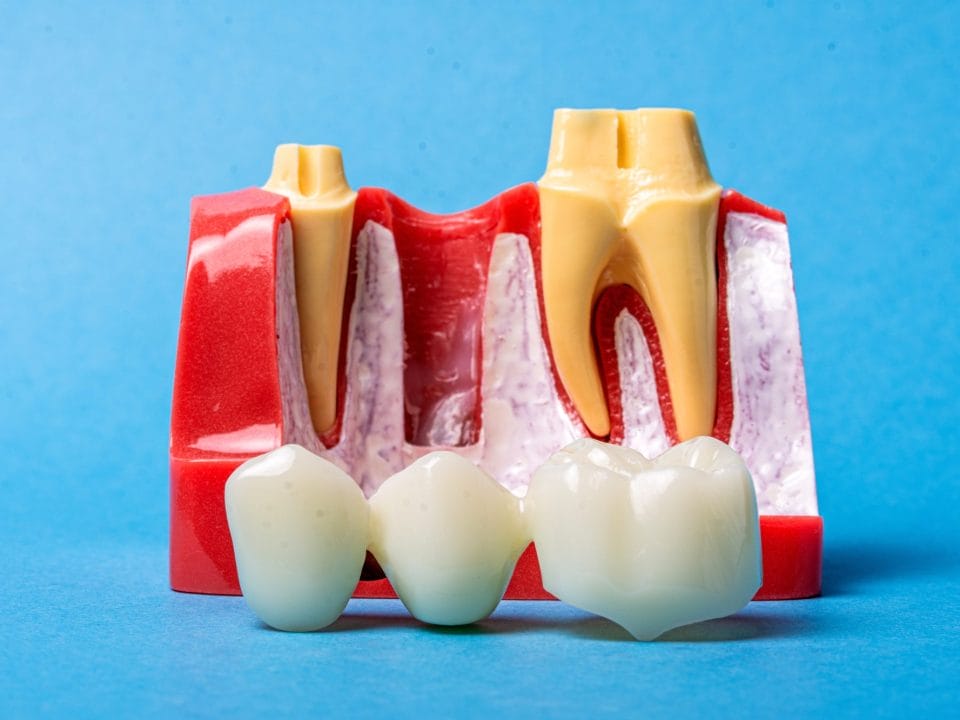
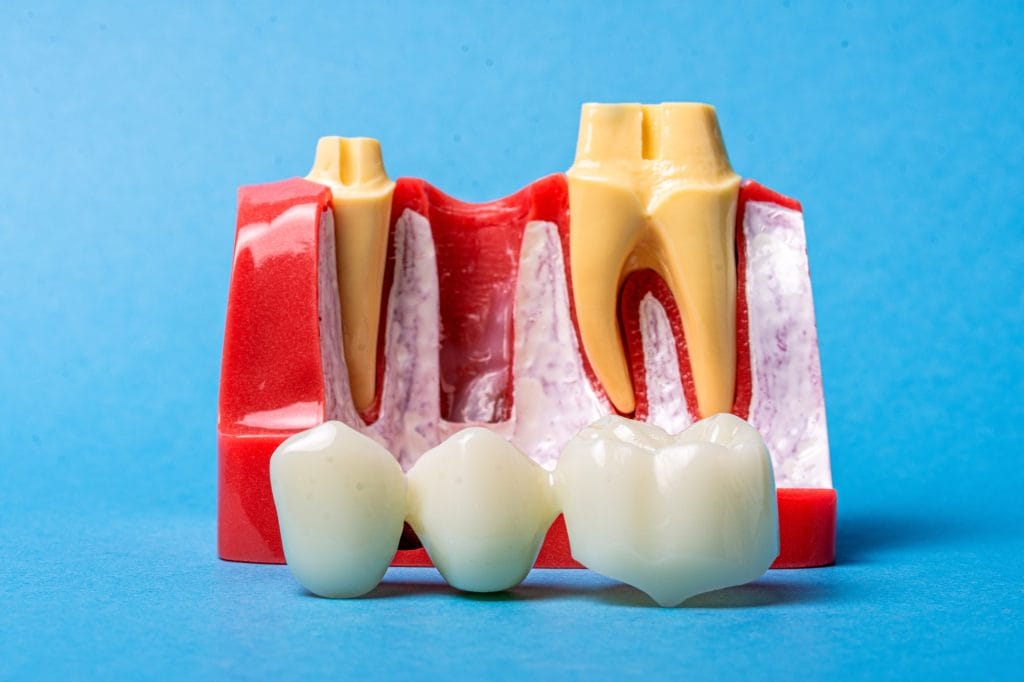
- Dental bridges supported by crowns on adjacent teeth
- Dental implants with titanium posts acting as artificial roots
- Partial or full dentures designed for comfort and appearance
Your dentist will discuss factors like jawbone health, bite forces, and how replacement fits your needs. We can also help you understand insurance benefits and payment plans.
How to Protect Your Dental Restorations at Home
Your daily routine plays a big role in how long restorations last. Good oral hygiene keeps the edges of fillings, crowns, and bridges clean, reducing bacteria buildup. Healthy habits also support gum health, which protects the foundation of your teeth.
Focus on:
- Brushing twice daily and flossing once daily
- Regular cleanings to prevent tartar buildup
- Reporting bite changes or roughness on fillings
- Avoiding habits like chewing ice or using teeth as tools
- Sharing medical history changes to ensure appropriate materials are used
These steps support oral health and reduce the need for repeat procedures.
A Calm Next Step for Patients in Westerville and Central Ohio
Hearing you need a filling or crown when you feel fine can be surprising, but it’s an opportunity to act early. Early treatment often simplifies the procedure and prevents more extensive care later.
If you’re in Westerville, Columbus, or Central Ohio and have questions about a crack, cavity, or worn filling, our team at Westerville Dental Associates is here to help. We’ll guide you through your options, explain the best treatments for your situation, and ensure you feel informed every step of the way. Contact us to discuss what’s right for you.