
 Meet Dr. Zody
 Meet Dr. Choi
 Meet Dr. Son
Spring in Westerville and across Central Ohio brings warmer days, blooming trees, and for many, seasonal allergies. If you deal with sneezing, sinus pressure, and postnasal drip every year, you already know how uncomfortable allergy season can feel. What often gets missed is how those same symptoms can affect your teeth, gums, and breath.
You might notice sensitivity in your back teeth, dry mouth, or gums that feel irritated. You also might wonder why your dentist is paying attention to an existing tooth with a large filling when you are not in pain. Westerville Dental Associates is here to help you connect the dots in a calm, practical way, so you can protect your oral health and make confident choices about restorative dentistry when you need it.
How seasonal allergies show up in your mouth
Seasonal allergies can trigger a chain reaction. Congestion leads to mouth breathing, and mouth breathing reduces saliva. Saliva is one of your body’s built-in defenses because it helps rinse away bacteria and neutralize acids that contribute to tooth decay.
When your mouth stays dry, plaque builds up faster, your breath can smell stronger, and your gum tissue can feel tender or inflamed. Dry tissues also make it easier for small irritations along the gum line to feel bigger than they are. If you already have a weak tooth, extensive decay, or an older restoration, allergy season can make you more aware of it.
Why congestion can make your teeth feel sore
Have you ever had sinus pressure and felt it in your upper teeth? This is common. Your sinus cavities sit close to the roots of your upper back teeth, including your back molars. When the sinuses are inflamed, the pressure can create a dull ache that feels like tooth pain.
This is also where careful dental care matters. Sinus pressure can mimic dental problems, but tooth decay, a damaged tooth, or infection can also cause similar feelings. During dental visits, we look at your symptoms, your tooth structure, and your existing tooth restorations so you do not have to guess.
Can seasonal allergies cause bad breath?
Yes. Seasonal allergies often contribute to bad breath through dry mouth and postnasal drip. Mucus draining down the throat can feed odor-causing bacteria, and a dry mouth gives those bacteria a better environment to grow.
Here are a few signs your breath changes may be allergy-related:
- You wake up with a dry mouth after sleeping with your mouth open
- You feel sticky foods cling more easily because saliva feels reduced
- You notice a coated tongue or sour taste during peak allergy days
- Breath improves when hydration improves
If bad breath sticks around even when allergy symptoms calm down, it can point to gum tissue inflammation, trapped debris around a large filling, or an issue under a crown or dental bridge. A hygiene visit can help identify what is driving the odor.
What allergies can do to your gums and dental health
Allergy season can make gums feel sensitive for several reasons. Mouth breathing dries tissues. Antihistamines can increase dryness. Nasal congestion can also change sleeping patterns, which can worsen clenching and grinding for some people, especially if you already deal with bruxism.
Your gums may also react to increased plaque when saliva drops. You might see slight bleeding during brushing or flossing, or notice puffiness along the gum line. Good oral hygiene and proper care at home make a big difference during spring, and professional cleanings help keep inflammation from building.
When a “no pain” tooth still needs attention
If a tooth is not hurting, it is natural to feel unsure about treatment. Pain is a helpful signal, but many dental problems progress quietly. A tooth with a large filling can develop cracks. Extensive decay can spread under older restorations. A broken tooth can be stable for a while, then suddenly give way during heavy chewing.
A restorative plan often focuses on preventing a bigger problem. Protecting your natural teeth early can help you avoid a root canal treatment, a dental implant, or dealing with missing teeth later. Our approach stays patient-first and practical, so you understand why a recommendation fits your dental needs.
When is a dental crown a good choice for springtime tooth stress?
Allergy season does not directly “cause” a crown, but it can reveal symptoms and behaviors that put stress on a compromised tooth. A dental crown can be a great option when a tooth needs coverage and strength because the remaining tooth structure cannot reliably support another filling.
You may be a good candidate for a permanent crown if you have:
- A weak tooth with a large filling that keeps chipping
- A damaged tooth after a crack or fracture, even without severe pain
- Tooth decay that affects a significant portion of the existing tooth
- A tooth that has had a root canal, since it often needs reinforcement
- Worn back teeth from clenching or grinding that increases sensitivity
Crowns protect the tooth by creating a durable outer surface that takes chewing forces, including forces from opposing teeth. That coverage can be especially valuable for back teeth that do the bulk of chewing.
Types of dental crowns and how we help you choose
There are several types of crowns, and the right crown depends on function, your bite, and your aesthetic preferences. You will also consider where the tooth sits. Front teeth often call for a natural appearance, while back molars often need strength for heavy chewing.
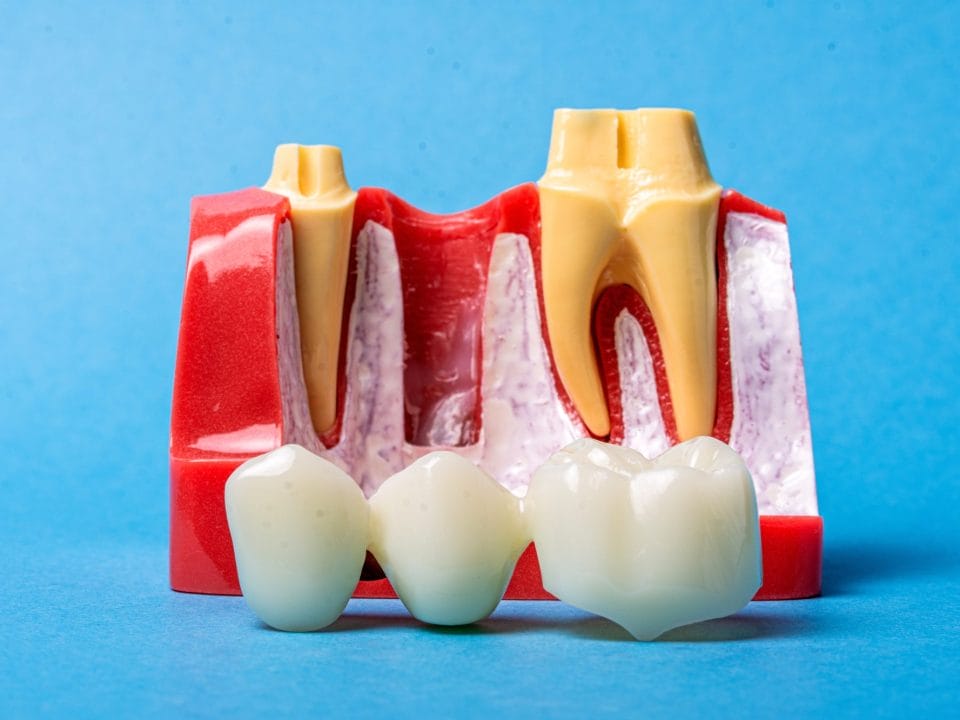
Common types of dental crowns include porcelain crowns, ceramic crowns, metal crowns, and PFM crowns. PFM stands for porcelain fused to metal, and it can sometimes show a dark line near the gum line over time. Zirconia crowns are popular for durability and a tooth-colored appearance. Lithium disilicate is another option in the family of ceramic materials that can offer lifelike results in the right case.
Some patients also ask about gold crowns, stainless steel, or other metal alloys. Those materials can be strong and reliable, and we also keep metal allergies in mind when discussing crown material. We will walk you through various materials so your crown type best suits your goals for comfort and longevity.
What to expect around the dental crown procedure
If you and your dentist decide a dental crown is the right choice for you, the process typically includes a first visit to prepare the tooth and take impressions, then a second visit for crown placement. Many patients wear a temporary crown in between to protect the tooth.
Behind the scenes, a dental lab uses the impressions to craft the crown from the chosen material. At placement, the crown is secured with dental cement and adjusted so it fits your bite with your opposing teeth. That attention to fit supports long-term dental health and helps you chew comfortably.
If you already have crowns, allergy season is still a good time to check in. A crown can loosen, a margin can wear, or decay can develop around an older restoration, even when the tooth feels fine.
Spring allergy tips that protect your teeth and restorations
You can take a few simple steps to protect your smile during allergy season, especially if you have a composite resin filling, a dental bridge, crowns, or a history of tooth sensitivity.
Focus on habits that support saliva and reduce irritation:
- Sip water throughout the day to reduce dry mouth
- Brush gently along the gum line and floss daily for good oral hygiene
- Rinse after coughing or postnasal drip to clear residue
- Limit frequent sugary lozenges that can increase tooth decay risk
- If you grind, ask us about a nightguard and bruxism treatment options
These steps support your natural tooth and help restorations last longer with proper care.
When should you call us about a tooth that feels “off”?
If you notice a sharp edge, a new rough spot, or sensitivity that lingers, it is worth checking. A broken tooth or cracked filling can worsen quickly if it catches on sticky foods or takes extra pressure during chewing. If a tooth has had a root canal, it can also fracture more easily without protective coverage.
Here is a helpful guideline: if a symptom lasts more than a week, or it changes how you chew on your back teeth, call so we can take a look. Emergency dentistry is also available if you have swelling, sudden pain, or a restoration that comes loose.
A supportive next step for Westerville and Columbus patients
Seasonal allergies can be frustrating, and you deserve dental guidance that feels calm and clear. At Westerville Dental Associates, your comfort and dental health are our top priorities. Our experienced dentists are here to guide you through every step of your care, whether you need preventive support, restorative dentistry, or help deciding if a dental crown fits your situation.
If you are dealing with springtime tooth sensitivity, persistent bad breath, or questions about a large filling, schedule an appointment today. We are happy to answer your questions and help you choose the most comfortable, lasting plan for your smile.