

 Meet Dr. Zody
 Meet Dr. Choi
 Meet Dr. Son
Sealants & Fluoride
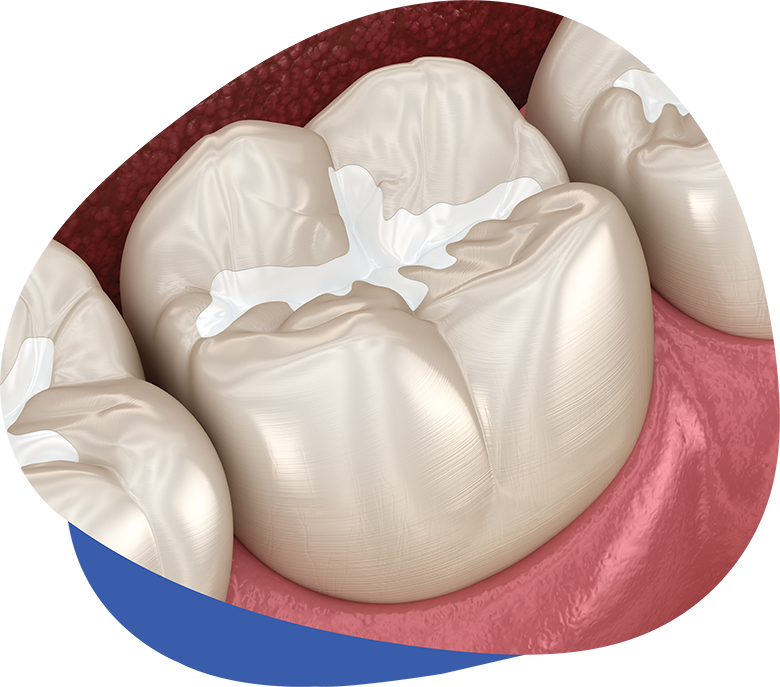
Sealants
Sealants are a thin protective coating painted on the teeth to help prevent cavities. This simple and painless procedure is shown to have huge benefits, particularly for children. Adults can benefit from sealants as well.
Research from the Centers for Disease Control and Prevention (CDC) shows that dental sealants prevent 80% of cavities for two years after application. They also continue to protect against 50% of cavities for up to four years.
When is the best time for my child to get sealants?
The best time for a child to get sealants is when they are getting their adult molars and premolars, generally around ages 6 and 12.
Do babies/toddlers need sealants?
Treating younger teeth with sealants is normally only for children with an increased risk of tooth decay.
Does insurance cover the costs of sealants?
Many dental insurance plans cover the cost of sealants for children only. Check with your plan.
Do sealants make teeth feel different?
Teeth might have a slightly different texture just after the sealant is applied. After that, most patients report their teeth feel the same as before treatment.
How long do sealants last?
Sealants can last up to 10 years. Our team will check the sealants each time your child comes in for a recare appointment.
Fluoride
Fluoride is particularly important to your teeth because it is a naturally occurring mineral that combats plaque and decay. Fluoride treatments are especially important for children's mouths with developing teeth.
Westerville Dental Associates regularly prioritize fluoride treatments for children six years old and younger. We can also evaluate fluoride needs for adults.
Our professional-grade fluoride treatments can be used at home for ultimate protection. These treatments are available by prescription and should be used under our supervision only because excessive fluoride can be a problem too.
Known as fluorosis, this condition is usually evident by age six and is most typically found in areas utilizing well water. Advanced cases of fluorosis are marked by streaks and discoloration that are noticeably visible on your teeth, ranging in color from white to brown. These noticeable stains are severe and require removal by a professional.
Fluoride FAQs
Fluoride is a naturally occurring mineral that plays a key role in strengthening your teeth and helping prevent cavities. At Westerville Dental Associates, we offer professional fluoride treatments as part of a personalized preventive care plan for patients of all ages. Below are some of the most common questions we hear about fluoride and how it supports your dental health.
How does fluoride work?
Fluoride helps strengthen tooth enamel by making it more resistant to acid attacks from plaque and bacteria. During a professional treatment, fluoride is applied to the surface of your teeth. The enamel absorbs it, helping repair weak spots. This process, called remineralization, slows the growth of cavity-causing bacteria.
How quickly does it remineralize teeth?
Fluoride begins working as soon as it comes into contact with your teeth. Professional treatments deliver a higher concentration of fluoride than over-the-counter products, so the remineralization process starts immediately and continues as the fluoride is absorbed into the enamel.
Who needs fluoride and how often?
Children benefit significantly from fluoride because it supports developing teeth, but adults at higher risk of cavities, such as those with dry mouth or a history of decay, can also benefit. Many patients receive fluoride treatments during regular dental checkups, often every six months, though your dentist may recommend more frequent visits depending on your oral health needs.
Are there any safety risks to getting a professional fluoride treatment?
Professional fluoride applications are safe when delivered by a dental professional. The most common concern—fluorosis—occurs from excessive fluoride ingestion during early tooth development and is not a risk for adults receiving topical treatments. Very high doses (much more than you'd get in the office) can cause nausea or other symptoms, but this is rare with standard dental care.
How soon can I eat after getting fluoride?
Typically, your dentist will recommend waiting at least 30 minutes before eating or drinking so the fluoride can penetrate the enamel. For fluoride varnish, avoiding hot, acidic, or sticky foods for a few hours may help it remain effective longer.
What happens if I don't wait the recommended amount of time before I eat?
Eating too soon may wash away some of the fluoride before it fully absorbs into your enamel. It's not harmful, but it can reduce how much benefit you get from the treatment.
Is it okay to swallow my saliva after getting fluoride?
Yes—swallowing saliva after a professional topical fluoride application is okay and expected. Just try not to eat, drink, brush, or rinse for the recommended waiting period so the fluoride stays on your teeth where it can be most effective.
Ready to Strengthen Your Smile?
Professional fluoride treatments are quick, painless, and an essential step in protecting your teeth. Call Westerville Dental Associates today to find out whether fluoride is right for you or your child, and to schedule your next appointment.