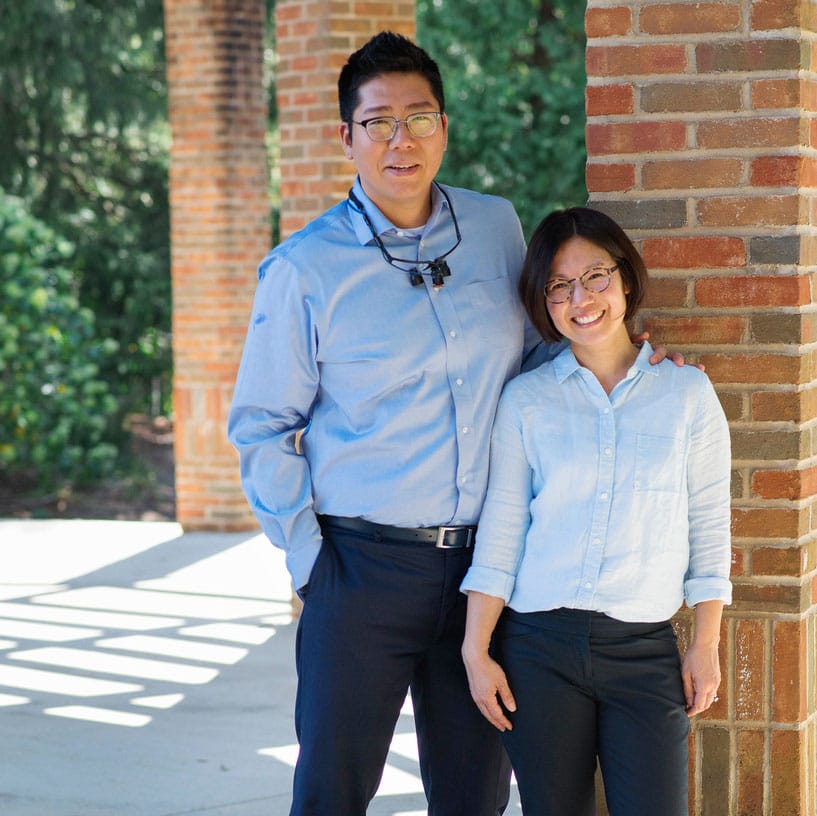

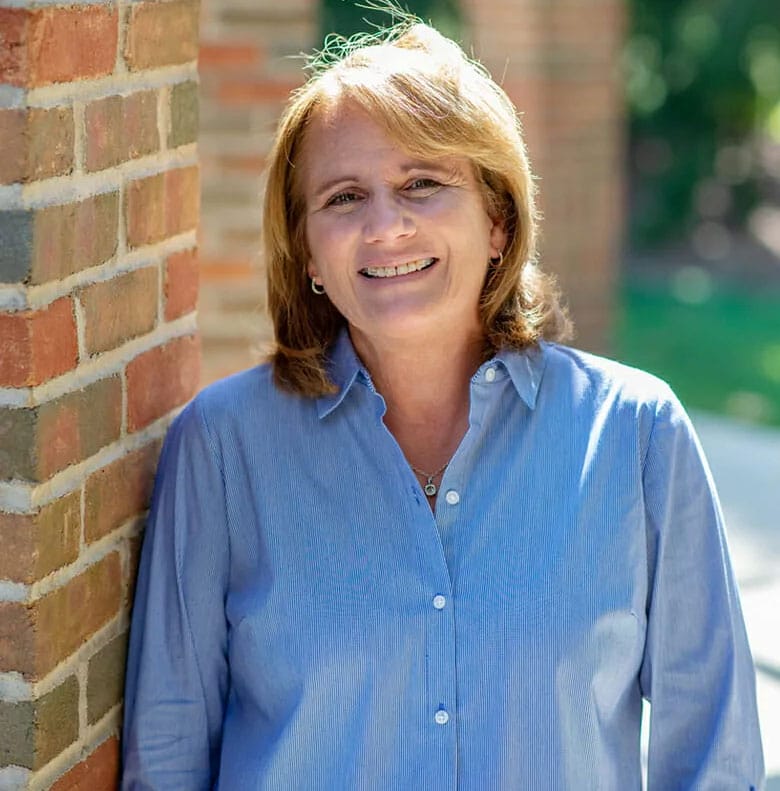
 Meet Dr. Zody
 Meet Dr. Choi
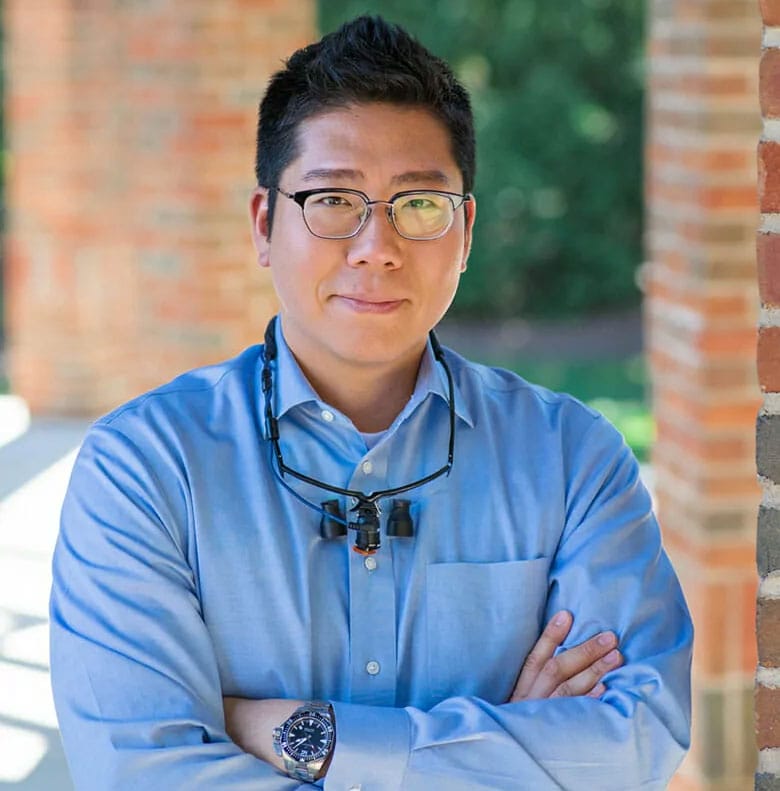 Meet Dr. Son
Dental Sleep Apnea Treatment for Better Sleep and Health
If you wake up tired despite getting a full night of sleep, sleep apnea may be affecting your sleep and overall health. This common condition interrupts breathing throughout the night, reducing oxygen levels and preventing deep, restorative sleep. Over time, untreated obstructive sleep apnea can contribute to serious health concerns such as high blood pressure, heart issues, and chronic fatigue. At Westerville Dental Associates in Westerville, Ohio, Dr. Gretchen R. Zody, Dr. Sue Choi, and Dr. Yuchan Son offer comfortable, effective sleep apnea treatment with customized oral appliance therapy. These specialized dental appliances help keep the airway open during sleep, allowing patients to breathe more easily and experience significant improvements in sleep quality and daily energy levels. By combining expertise in dental sleep medicine with personalized care, our team helps patients address sleep apnea symptoms while improving both oral health and overall health.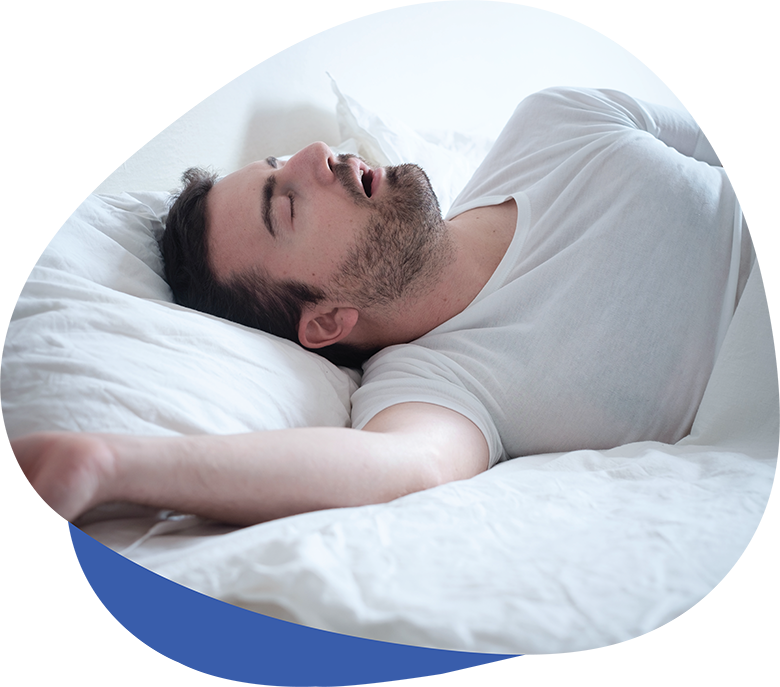
Understanding Obstructive Sleep Apnea
Obstructive sleep apnea (OSA) occurs when the upper airway becomes blocked during sleep. This blockage is usually caused by the collapse of soft tissues in the throat, including the soft palate and surrounding structures.
When the airway becomes obstructed, breathing briefly stops until the brain signals the body to wake up enough to reopen the airway. These interruptions may occur dozens or even hundreds of times per night.
Common OSA symptoms include:
- Loud snoring
- Excessive daytime sleepiness
- Gasping or choking during sleep
- Difficulty concentrating
- Morning headaches
- Dry mouth upon waking
Over time, untreated obstructive sleep disorders can affect more than just sleep. They can impact overall health, increase the risk of cardiovascular problems, and reduce a person's quality of life.
Understanding Obstructive Sleep Apnea
Obstructive sleep apnea (OSA) occurs when the upper airway becomes blocked during sleep. This blockage is usually caused by the collapse of soft tissues in the throat, including the soft palate and surrounding structures.
When the airway becomes obstructed, breathing briefly stops until the brain signals the body to wake up enough to reopen the airway. These interruptions may occur dozens or even hundreds of times per night.
Common OSA symptoms include:
- Loud snoring
- Excessive daytime sleepiness
- Gasping or choking during sleep
- Difficulty concentrating
- Morning headaches
- Dry mouth upon waking
Over time, untreated obstructive sleep disorders can affect more than just sleep. They can impact overall health, increase the risk of cardiovascular problems, and reduce a person's quality of life.
What Are Dental Appliances for Sleep Apnea?
A dental appliance for sleep apnea is a custom-made mouthpiece you wear while sleeping to keep your airway open. Think of it as a specialized mouth guard designed specifically for treating obstructive sleep apnea. These devices work by repositioning your lower jaw or tongue to prevent the soft tissues in your throat from collapsing and blocking your airway. This simple adjustment helps maintain a clear path for air, reducing or even eliminating the breathing interruptions that define sleep apnea.
Unlike a bulky CPAP machine that uses constant airway pressure, a sleep apnea oral appliance is small, quiet, and easy to use. It offers a comfortable, convenient dental sleep apnea treatment for many people, especially those with mild to moderate OSA or who find CPAP therapy difficult to tolerate. By holding your mouth in the right position, these appliances help you breathe better and get a more peaceful night's sleep.
Oral Appliance Therapy as a Treatment for Obstructive Sleep Apnea
Oral appliance therapy in Westerville is a highly effective treatment that uses a custom-fitted device to manage obstructive sleep apnea. The most common type of device is a mandibular advancement device (MAD), which gently moves your lower jaw forward. This movement pulls your tongue and soft tissues forward, creating more space in the back of your throat and keeping the upper airway open while you sleep.
This therapy is a clinically recognized approach in sleep medicine for patients with mild to moderate sleep apnea. It is also a great alternative for those who cannot tolerate CPAP. The appliance fits over your upper and lower teeth, similar to a retainer. By stabilizing your jaw and tongue, oral appliance therapy helps you breathe continuously through the night, leading to better sleep and improved health.
How Oral Appliances Compare to CPAP Machines
The gold standard treatment for severe sleep apnea is CPAP therapy, which uses a CPAP machine to deliver continuous positive airway pressure through a mask worn during sleep.
This steady airway pressure keeps the airway open by preventing the soft tissues in the throat from collapsing.
However, many patients find cpap therapy difficult to tolerate. Common concerns include:
- Mask discomfort
- Noise from the machine
- Travel inconvenience
- Skin irritation
- Persistent dry mouth
For patients who cannot tolerate a cpap machine, oral appliance therapy can be a good option. While CPAP remains the most effective treatment for severe sleep apnea, dental appliances offer a simpler and more comfortable solution for many individuals.
In some cases, our Westerville dentists may work with sleep medicine specialists and recommend a combination of treatments, depending on the severity of the condition.
Types of Dental Sleep Apnea Treatments
When you come to us for sleep apnea treatment, we focus on oral appliances designed to fit your unique needs. The two primary types of devices used in sleep medicine are mandibular advancement splints and tongue-retaining devices. Both work to keep your airway clear but do so in slightly different ways. We will help you determine the best type of device for your situation.
Mandibular Advancement Devices (MADs)
These are the most frequently used oral appliances. They fit over your upper and lower teeth and gently push your lower jaw forward. This movement helps prevent the soft tissues in your throat from collapsing.
Tongue-Retaining Devices (TRDs)
These devices use suction to hold your tongue forward. This prevents the tongue from falling back and blocking your airway. They can be a good option for people who cannot use a MAD.
Who is a Good Candidate for Oral Appliance Therapy?
Many individuals with obstructive sleep apnea can benefit from oral appliance therapy, but the best candidates typically meet certain criteria.
Patients may be good candidates if they:
- Have mild or moderate obstructive sleep apnea
- Cannot tolerate a cpap machine
- Experience loud snoring
- Have symptoms such as excessive daytime sleepiness
- Want a portable and comfortable alternative to CPAP
A proper sleep apnea diagnosis is essential before starting treatment. This usually involves completing a sleep study, which measures breathing patterns, oxygen levels, and sleep disturbances.
After reviewing the results of the sleep study, Dr. Gretchen R. Zody, Dr. Sue Choi, and Dr. Yuchan Son can determine whether oral appliance therapy is an appropriate treatment option.
How Dentists Fit a Sleep Apnea Mouth Guard
Getting a custom sleep apnea mouth guard begins with a consultation at our Westerville, Ohio, dental office.
During this appointment, our team will review your medical history, discuss your sleep apnea symptoms, and evaluate your oral health. If an oral appliance is recommended, the next step is to take an impression of your teeth.
These impressions are used to create a personalized dental appliance that fits securely over your lower teeth and upper teeth. Once the device is ready, our dentists will ensure that it positions the lower jaw correctly to help maintain an open airway.
The appliance can also be adjusted over time to improve comfort and effectiveness. Because it is custom-designed, it tends to feel more natural than over-the-counter mouth guards.
How Long Does It Take to See Results?
Many patients notice improvements soon after beginning oral appliance therapy. Snoring often decreases within the first few nights, and symptoms such as daytime sleepiness may begin improving within a few weeks.
However, the exact timeline depends on several factors, including the severity of the condition, how consistently the appliance is worn, and whether additional sleep medicine treatments are involved.
Follow-up visits allow dentists to adjust the appliance and ensure the airway remains properly supported. Over time, patients often experience significant improvements in both sleep quality and daily energy levels.
Possible Side Effects of Oral Appliances
Like any medical treatment, sleep apnea oral appliances may cause minor side effects for some patients. These are usually temporary and improve as the mouth adjusts to the device.
Possible adverse effects may include:
- Mild jaw soreness
- Temporary changes in bite
- Excess saliva or dry mouth
- Minor tooth sensitivity
Regular checkups allow dentists to monitor the fit of the appliance and make adjustments if necessary. When properly fitted, most patients adapt quickly and continue using the appliance comfortably.
Improve Your Sleep and Health in Westerville, OH
Living with untreated sleep apnea can affect everything from your energy levels to your long-term overall health. Fortunately, modern dental sleep medicine offers comfortable solutions that can significantly improve breathing and sleep.
At Westerville Dental Associates in Westerville, Dr. Gretchen R. Zody, Dr. Sue Choi, and Dr. Yuchan Son provide customized sleep apnea treatment designed to reduce airway obstruction, improve sleep quality, and support better long-term health.
If you struggle with loud snoring, excessive daytime sleepiness, or other OSA symptoms, our team can help you explore personalized treatment options that fit your needs.
Call us at 614-665-5497 to schedule an appointment and learn how a custom sleep apnea oral appliance can help you breathe easier and sleep better.
Frequently Asked Questions
How do dentists become involved in treating sleep apnea?
Dentists trained in dental sleep medicine work alongside medical providers to help manage sleep apnea using custom oral appliances. These appliances are designed to support the jaw and airway during sleep, offering an alternative option for patients who may not tolerate other therapies.
What makes an oral appliance different from a traditional nightguard?
Although they may look similar, oral appliances used for sleep apnea are specifically engineered to reposition the jaw and maintain an open airway. Traditional nightguards are designed to protect teeth from grinding, but do not address breathing concerns during sleep.
Can sleep apnea treatment help improve daytime energy levels?
Many patients notice improvements in daytime alertness once their airway obstruction is properly managed at night. Better sleep quality can support clearer thinking, improved focus, and reduced fatigue throughout the day.
Is sleep apnea management a one-time treatment or an ongoing process?
Sleep apnea care is typically ongoing. Oral appliances and other treatments often require periodic adjustments and monitoring to ensure they continue working effectively as your bite, airway, or symptoms change over time.
What should I expect during a sleep apnea evaluation at a dental office?
A dental evaluation may include a review of your symptoms, an examination of your airway and bite, and diagnostic screening tools to help determine whether an oral appliance could be appropriate. This process helps guide a personalized treatment approach.